Choosing the Best Hemp Oil for Your Unique Health Concerns: A Comprehensive Guide
Hemp oil has taken the health and wellness world by storm, but not all hemp oils are created equal—especially when it comes to targeting specific health issues. Whether you’re seeking relief from chronic pain, support for anxiety, or a natural boost for your skin, selecting the right type of hemp oil can make all the difference. With a market projected to reach $3.5 billion globally by 2027, consumers are faced with more choices than ever. So how do you determine which hemp oil formulation is best for your unique health needs? This guide will break down the key considerations, types of hemp oil, and how to match them to different health concerns—so you can make an informed, confident decision on your wellness journey.
Understanding the Types of Hemp Oil: Full Spectrum, Broad Spectrum, and Isolate
Before diving into health-specific recommendations, it’s crucial to understand the three main types of hemp oil. The differences lie in their cannabinoid content and, consequently, their therapeutic effects.
- $1: Contains all naturally occurring compounds in the hemp plant, including cannabinoids (such as CBD and trace THC), terpenes, and flavonoids. This combination is believed to produce the "entourage effect," where compounds work synergistically for enhanced benefits. - $1: Similar to full spectrum, but with all THC removed. This provides most of the entourage effect benefits without the risk of THC exposure. - $1: Pure cannabidiol (CBD) without other cannabinoids or plant compounds. It is odorless, tasteless, and ideal for those sensitive to other hemp components.Here’s a comparative overview to help clarify the main differences:
| Type | Contains THC? | Other Cannabinoids | Entourage Effect | Best For |
|---|---|---|---|---|
| Full Spectrum | Yes (≤0.3%) | Yes | Yes | Comprehensive wellness, chronic pain |
| Broad Spectrum | No | Yes | Yes (less pronounced than full spectrum) | Sensitivity to THC, anxiety |
| CBD Isolate | No | No | No | Targeted relief, drug testing concerns |
Selecting Hemp Oil Based on Health Goals
Now that you know what’s in your bottle, it’s time to match your choice to your health goals. Scientific research and user reports point to different formulations being better suited for specific concerns.
1. $1: Studies have shown that full spectrum hemp oil, which includes a broader range of cannabinoids and terpenes, may provide more substantial pain relief. A 2018 review in the journal $1 highlighted how full spectrum products could reduce pain by up to 30% in some individuals, likely due to the synergistic effects of its compounds. 2. $1: Broad spectrum hemp oil is often preferred for anxiety, as it offers the calming effects of CBD and other non-psychoactive cannabinoids without the small amount of THC found in full spectrum products. According to a 2019 study published in $1, 79% of participants experienced reduced anxiety scores after using CBD oil over a month. 3. $1: Both full and broad spectrum oils can aid sleep by promoting relaxation and lowering anxiety. The presence of terpenes such as myrcene and linalool in full spectrum oils can further enhance sedative effects. 4. $1: Hemp seed oil, which contains no cannabinoids but is rich in omega-3 and omega-6 fatty acids, is often the top choice here. However, topical CBD products (often CBD isolate in a balm or cream) have also been linked to improvements in eczema, acne, and inflammation. 5. $1: For those hoping to bolster overall health, full spectrum hemp oil provides the widest range of nutrients and plant compounds, supporting endocannabinoid system balance, immune function, and homeostasis.Evaluating Quality: What to Look for in Hemp Oil Products
Not all hemp oil is created equal when it comes to purity, potency, and safety. The U.S. Food and Drug Administration has found that nearly 25% of tested CBD products contained less CBD than advertised, and some contained dangerous contaminants.
Here’s what to watch for:
- $1: Always choose products with up-to-date Certificates of Analysis (COA) from an independent lab. This ensures the oil’s cannabinoid profile matches the label and is free from pesticides, heavy metals, and solvents. - $1: The CO2 extraction process is considered the industry gold standard. It preserves most of the plant’s beneficial compounds without toxic residues. - $1: Organically grown, non-GMO hemp from reputable farms in the U.S. or EU is preferable, as hemp absorbs toxins from soil (a process called phytoremediation). - $1: Companies should clearly state CBD content (in mg), serving size, and provide full ingredient lists. - $1: Hemp oil tinctures are usually suspended in MCT oil, hemp seed oil, or olive oil. If you have allergies or dietary preferences, check the full ingredients.Form Factors: Choosing Between Oils, Capsules, Gummies, and Topicals
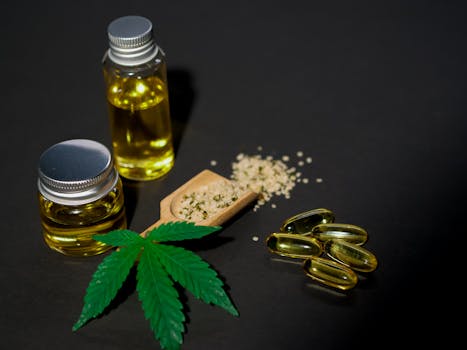
Hemp oil comes in a variety of delivery methods, each with different absorption rates and durations of effect.
- $1: Placed under the tongue for 30-60 seconds, allowing for quick absorption. Effects are typically felt within 15-45 minutes, lasting 4-6 hours. Ideal for fast-acting relief. - $1: Convenient and flavorless, but take longer to absorb (30-90 minutes) as they must pass through the digestive system. Effects last longer, up to 8 hours. - $1: Popular for taste and ease, but similar to capsules in onset and duration. Watch sugar and additive content. - $1: Applied directly to the skin for localized relief. Best for joint pain, muscle soreness, or skin issues. Effects can be felt within 15-30 minutes. - $1: Provide the fastest onset (5–10 minutes) but are not recommended for everyone due to concerns about safety and lung health.Depending on your health issue, one form may be more effective or convenient than another. For example, those seeking quick relief from anxiety may prefer tinctures, while people with chronic joint pain may find a combination of oral and topical products most effective.
Dosage Considerations: Finding the Right Amount for Your Needs
Finding the optimal dose is a personal process, influenced by factors like body weight, metabolism, symptom severity, and product potency. There is no universal dose for hemp oil, but here are some evidence-based guidelines:
- $1: 10-20 mg of CBD per day - $1: 20-40 mg per day (can increase gradually) - $1: 15-30 mg per day - $1: 25-50 mg about an hour before bedtimeAlways start with the lowest recommended dose and increase slowly over several days. According to a 2021 survey in $1, 55% of users found their ideal dose after 2-3 weeks of experimentation. Remember, higher doses are not always more effective and may increase the risk of side effects, such as drowsiness or digestive upset.
Consult your healthcare provider, especially if you are taking prescription medications, as hemp oil can interact with certain drugs (notably blood thinners and anti-seizure medications).
Potential Side Effects and Safety Considerations of Hemp Oil
While hemp oil is generally considered safe, some users may experience side effects, especially at higher doses or with certain formulations. Common side effects include:
- Dry mouth - Drowsiness or fatigue - Digestive issues (nausea, diarrhea) - Changes in appetite or weightA 2020 World Health Organization report found CBD to have a good safety profile, with adverse effects typically mild and infrequent. However, quality control remains a concern: in 2022, the FDA issued warnings to several companies for mislabeling hemp oil products or making unsubstantiated health claims.
Pregnant or breastfeeding women, children, and those with liver conditions should consult a doctor before using hemp oil. Additionally, always verify legal status in your state or country, as regulations can vary.
Final Thoughts on Choosing the Best Hemp Oil for Health Issues
Choosing the best hemp oil for your specific health issue requires a thoughtful approach. Start by identifying the type of hemp oil that matches your needs—full spectrum for comprehensive relief, broad spectrum for anxiety, or isolate for targeted concerns. Prioritize quality by seeking third-party tested, organically grown products, and match the form factor to your lifestyle and health goals. Remember, finding the right dose may take time, so be patient and consult with healthcare professionals as needed. By making informed choices, you can harness the full potential of hemp oil to support your health and well-being.