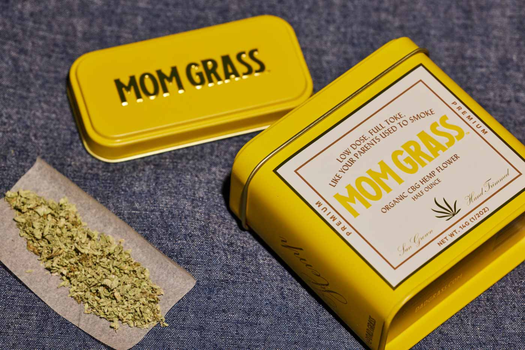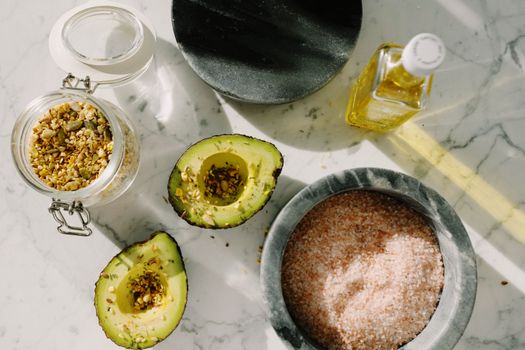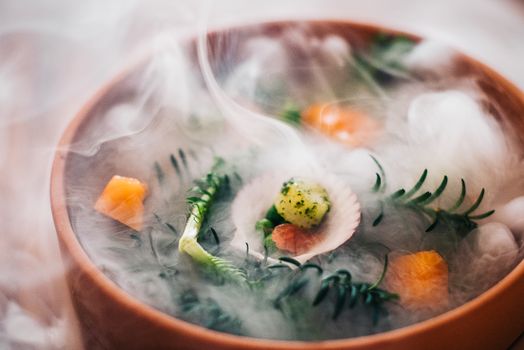
Cannabis has long been associated with recreational and medicinal use, but its culinary potential is now capturing the imagination of chefs and food enthusiasts worldwide. As legalization spreads, more kitchens are experimenting with cannabis as an ingredient—not just for its psychoactive or therapeutic effects, but for the unique ways it can influence the taste and texture of food. But what does science say about how cannabis actually interacts with flavors and textures in cooking? Let’s delve into a scientific exploration of how cannabis can transform your culinary creations.
The Chemistry Behind Cannabis and Flavor
To understand how cannabis affects taste, it’s essential to look at its primary chemical components. The two most prominent are cannabinoids (such as THC and CBD) and terpenes. Terpenes are aromatic compounds found in many plants, but cannabis is especially rich in them, with over 100 distinct terpenes identified in various strains.
Terpenes such as myrcene, limonene, and pinene give cannabis its characteristic aroma and flavor profile. For example, myrcene provides earthy, musky notes, while limonene imparts a citrusy brightness. These compounds can interact with other ingredients in a dish, either complementing or overpowering their natural flavors.
The process of infusing cannabis into food typically involves decarboxylation—heating raw cannabis to activate its cannabinoids. This process can alter the flavor and aroma of both the cannabis and the dish. According to a 2023 study published in the Journal of Food Science, decarboxylation at temperatures above 110°C (230°F) can degrade certain terpenes, resulting in a less vibrant flavor profile. Thus, the method and temperature of preparation play a critical role in shaping the final taste experience.
Cannabis Oils and Butters: Fat Matters in Texture
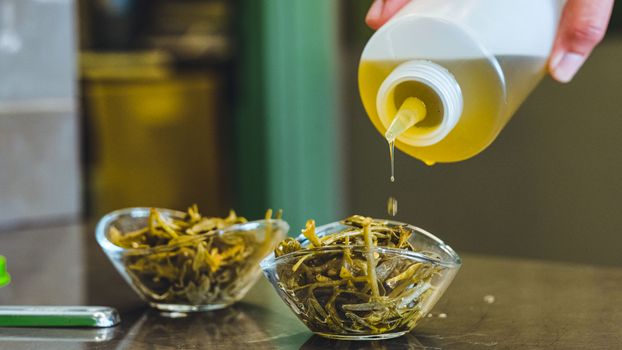
Cannabis is most commonly infused into oils or butters, as cannabinoids are fat-soluble. This not only allows for efficient extraction of active compounds but also directly impacts the texture of the final dish. The choice of fat—be it butter, olive oil, or coconut oil—can affect both the mouthfeel and the ability of cannabis to meld with other flavors.
For instance, cannabis-infused butter is popular in baking, lending a creamy texture and subtle herbal undertones. Coconut oil, with its own distinct flavor, can intensify the earthy notes of cannabis. A 2022 survey conducted by the American Culinary Federation found that 67% of chefs experimenting with cannabis prefer butter for its smooth integration in pastries and desserts, while 28% opt for coconut oil in vegan or lactose-free recipes.
The emulsification process is also worth mentioning. When cannabis-infused oil is blended properly, it can create a rich, homogeneous texture in sauces, soups, or dressings. Improper mixing, however, may result in separation or an oily residue, detracting from the overall eating experience.
Impact on Sweet and Savory Dishes: A Comparative Look
Cannabis can have dramatically different effects on sweet versus savory dishes. In sweet recipes, such as brownies or chocolates, the natural bitterness and earthiness of cannabis can balance out sugar, adding complexity and depth. In savory dishes, those same notes may either complement robust flavors—like roasted meats, mushrooms, or spices—or clash with delicate ingredients such as fish or mild cheeses.
Consider the following comparison of cannabis-infused dishes:
| Dish Type | Flavor Interaction | Texture Impact | Ideal Cannabis Infusion |
|---|---|---|---|
| Chocolate Brownies | Bitterness balances sweetness; earthy notes enhance cocoa | Dense, moist due to fat infusion | Butter or coconut oil |
| Herb-Infused Pasta | Herbal, grassy flavors meld with basil and oregano | Creamy sauce texture if emulsified well | Olive oil |
| Roasted Vegetables | Earthiness complements umami of mushrooms, root veggies | Glossy coating, tender bite | Olive or avocado oil |
| Delicate Fish | Herbal notes may overpower subtle flavors | Potential for oily or uneven texture | Light oil, minimal infusion |
This table highlights the importance of matching the type of cannabis infusion to the dish, both for flavor harmony and optimal texture.
Scientific Insights: Taste Perception and the Endocannabinoid System
Beyond the chemical interactions, cannabis can also affect how we perceive taste itself. The human endocannabinoid system (ECS)—which interacts with the active compounds in cannabis—plays a role in regulating appetite and sensory perception. Recent research from the University of Bordeaux suggests that THC can enhance the sensitivity of taste receptors, particularly those related to sweet and salty flavors.
This phenomenon, sometimes called “the munchies,” is more than just a colloquialism—it’s a measurable effect. In a controlled 2021 laboratory study, participants who consumed THC-infused foods reported a 25% increase in the perceived intensity of flavors, especially in sweet dishes. This may explain why cannabis-infused desserts are particularly popular and satisfying.
On the other hand, CBD, the non-psychoactive cannabinoid, has a milder effect on taste perception. It may even reduce the intensity of bitterness in certain foods, making it a potentially useful tool for balancing flavors in complex dishes.
Practical Considerations: Dosage, Strain, and Cooking Methods
Scientific understanding of cannabis in cooking also emphasizes the importance of dosage and strain selection. Different strains not only vary in THC and CBD content but also in their terpene profiles, which can dramatically alter the culinary outcome.
For example, strains high in limonene (like Lemon Haze) work well in citrus-based desserts, while those rich in pinene (such as Jack Herer) complement herbal and piney flavors in savory dishes. The dosage is equally critical: too much cannabis can overwhelm the dish, both in flavor and psychoactive effect.
Cooking methods are equally important. Overheating cannabis-infused fats can degrade cannabinoids and terpenes, reducing both potency and flavor. Sous-vide cooking, which uses lower, controlled temperatures, is gaining popularity for preserving the delicate nuances of cannabis while ensuring even infusion.
Real-World Examples: Cannabis in Modern Kitchens
The integration of cannabis into gastronomy is far from theoretical. Top chefs in North America and Europe are now designing tasting menus where each course is paired with specific cannabis strains or infusions. For example, Chef Andrea Drummer of Los Angeles, a pioneer in cannabis cuisine, often selects strains based on their terpene profiles to complement seasonal ingredients, creating harmonious multi-sensory experiences.
In 2023, the Cannabis Culinary Symposium in Toronto showcased dishes like cannabis-infused olive oil drizzled over heirloom tomatoes, and CBD-buttered lobster with tarragon. These dishes were praised not just for their novelty, but for the way cannabis elevated the overall flavor and mouthfeel, illustrating the science-backed principles discussed here.
Final Thoughts: The Science of Cannabis in Culinary Innovation
The influence of cannabis on taste and texture goes far beyond novelty. Its unique combination of cannabinoids and terpenes interacts with both ingredients and our own sensory systems, creating a multi-layered culinary experience. By understanding the science—how different cannabinoids and terpenes react to heat, fat, and other flavors—chefs and home cooks can craft dishes where cannabis is an asset, not a distraction.
As scientific research continues, expect to see even more refined uses of cannabis in the kitchen, from molecular gastronomy to everyday comfort foods. The key is thoughtful experimentation, guided by an understanding of how cannabis truly affects taste and texture at the molecular and sensory levels.