Cooking with cannabis is becoming increasingly popular, not just among experienced enthusiasts but also beginners eager to explore the world of infused edibles. Whether you are curious about how to get started or looking for beginner-friendly cannabis recipes, this guide will walk you through the basics, introduce you to the most popular recipes, and offer expert tips to ensure safe, delicious, and successful cannabis cooking experiences.
Why Cannabis Cooking Appeals to Beginners
The surge in cannabis legalization has made home cooking with cannabis more accessible than ever. In North America, over 48 million adults reported using cannabis in 2022—and a growing number are choosing to consume it in edible forms. Why the shift? Edibles offer a smoke-free alternative, more discreet consumption, and, for many, a creative way to integrate cannabis into daily life.
For beginners, cooking with cannabis can seem daunting due to its unique properties and the importance of proper dosing. However, with the right recipes and a few essential guidelines, anyone can start making safe, delicious edibles at home. In fact, research from BDSA found that 18% of edible consumers in the U.S. make their own edibles at least once a month.
Understanding the Basics: Decarboxylation and Dosing
Before diving into specific recipes, it’s essential to grasp two foundational concepts: decarboxylation and dosing.
Decarboxylation (often called “decarbing”) is the process of heating cannabis to activate its psychoactive compounds, primarily THC and CBD. Raw cannabis contains THCA, which is non-psychoactive. Only after heating—typically at 220–240°F (104–116°C) for about 30–45 minutes—does THCA convert to THC, the compound responsible for cannabis’s effects.
Dosing is equally critical. Edibles take longer to kick in (30–90 minutes) and can have more potent, longer-lasting effects than smoking or vaping. Beginners should start with low doses—many experts recommend starting with 2.5 to 5 milligrams of THC per serving. Always wait at least two hours before consuming more to avoid overconsumption.
The Top 5 Cannabis Cooking Recipes for Beginners
Some cannabis recipes are more approachable and forgiving than others. Here are the five most popular (and beginner-friendly) cannabis recipes, each offering a unique way to enjoy the plant’s culinary potential:
1. Cannabis-Infused Butter (Cannabutter) 2. Cannabis-Infused Oil 3. Cannabis Brownies 4. Cannabis Gummies 5. Cannabis TeaLet’s explore each in detail.
Cannabis-Infused Butter: The Cornerstone of Edibles
Cannabutter is the foundation for many cannabis recipes. It’s made by slowly simmering ground, decarboxylated cannabis with butter, allowing the cannabinoids to bind with the fat. This versatile ingredient can be used in brownies, cookies, and even savory dishes.
Basic Cannabutter Recipe: - 1 cup (about 225g) unsalted butter - 1 cup (7–10g) ground, decarboxylated cannabis - 1 cup water Instructions: 1. Melt the butter and water in a saucepan over low heat. 2. Add the cannabis and simmer (don’t boil!) for 2–3 hours, stirring occasionally. 3. Strain through cheesecloth into a jar, discarding the plant material. 4. Chill in the refrigerator until solid.Fun Fact: One cup of cannabutter can infuse approximately 16 servings at 10 mg THC per serving, depending on your cannabis strain’s potency.
Cannabis-Infused Oil: Versatility for All Diets
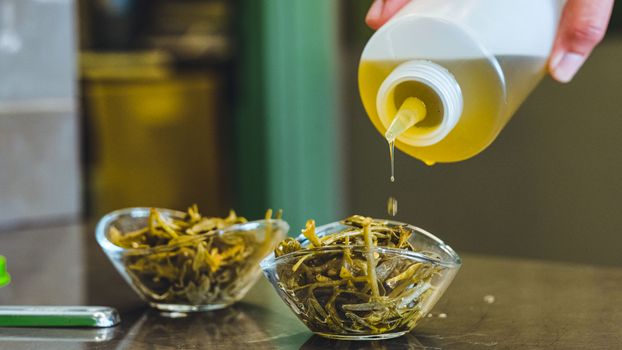
Cannabis oil is a great alternative to butter, especially for vegans or those with dairy allergies. It’s equally easy to make and can be used in salad dressings, sautéed vegetables, or even pasta.
Basic Cannabis Oil Recipe: - 1 cup (240ml) olive, coconut, or vegetable oil - 1 cup (7–10g) ground, decarboxylated cannabis Instructions: 1. Combine oil and cannabis in a saucepan or slow cooker. 2. Heat on low for 2–6 hours, stirring occasionally. (Slow cookers work best for beginners!) 3. Strain through cheesecloth into a clean jar. 4. Store in a cool, dark place.Fun Fact: Coconut oil is especially popular because it contains more saturated fat, which binds cannabinoids more efficiently than most other oils.
Classic Cannabis Brownies: A Timeless Favorite
No list of beginner-friendly cannabis recipes would be complete without the iconic brownie. Cannabis brownies are easy to make, forgiving in terms of flavor masking, and a proven crowd-pleaser.
Simple Cannabis Brownies: - 1 box brownie mix (plus required eggs and water) - Substitute regular butter/oil with cannabutter or cannabis oil Instructions: 1. Prepare brownie mix according to package instructions, substituting regular fat with your infused version. 2. Pour into a baking dish and bake as directed. 3. Cool, cut into 16 squares, and enjoy—responsibly.Pro Tip: Always label your brownies and keep them out of reach of children or unsuspecting guests!
Cannabis Gummies: Discreet, Portable, and Customizable
Gummies are one of the most popular edible forms in the market, accounting for over 40% of edible sales in many U.S. states. Making them at home is easier than you might think, and you can control both flavor and potency.
Basic Cannabis Gummy Recipe: - 1 cup fruit juice - 1/4 cup gelatin (or agar powder for vegans) - 2–4 tablespoons cannabis-infused oil or tincture - 2–4 tablespoons honey or sweetener Instructions: 1. Heat juice on low, add gelatin, and stir until dissolved. 2. Stir in infused oil and sweetener. 3. Pour into silicone molds and refrigerate for 1–2 hours.Fun Fact: Homemade gummies are an excellent way to microdose, as you can make each piece contain as little as 2 mg THC.
Cannabis Tea: A Gentle Introduction
For those who prefer beverages, cannabis tea is a gentle, soothing way to experience edibles, ideal for beginners wary of stronger effects.
Simple Cannabis Tea: - 1 cup water - 1 teaspoon coconut oil or butter (to bind THC) - 0.5–1 gram ground, decarboxylated cannabis - Tea bag of your choice Instructions: 1. Boil water, add coconut oil/butter, and cannabis. 2. Simmer for 15–20 minutes. 3. Strain and steep your favorite tea bag before enjoying.This method provides a subtle, slow-release effect—perfect for relaxation.
Comparing Cannabis Edibles: A Quick Overview
Here’s a comparison of the most popular beginner cannabis recipes:
| Recipe | Prep Time | Difficulty | Potency Control | Flavor Masking |
|---|---|---|---|---|
| Cannabutter | 3 hours | Easy | High | High |
| Cannabis Oil | 2–6 hours | Easy | High | Medium |
| Brownies | 1 hour | Very Easy | High | Very High |
| Gummies | 1.5 hours | Moderate | Very High | Very High |
| Tea | 30 minutes | Very Easy | Low | Low |
Safety and Responsible Consumption for Beginners
It’s important to remember that homemade edibles can have unpredictable potency if not carefully measured. Here are a few guidelines to keep your experience safe and enjoyable:
- Always use a calculator or online tool to estimate the potency of your finished product. For example, if you use 7 grams of 15% THC cannabis in a recipe that serves 14, each serving will contain roughly 75 mg THC—far higher than a beginner dose. - Start low and go slow: Wait at least 2 hours after your first serving before deciding whether to consume more. - Clearly label all cannabis-infused foods and keep them away from children and pets. - Store edibles in airtight containers in the refrigerator or freezer to maintain potency and freshness.Exploring Flavors: Infusing Cannabis into More Than Sweets
While sweet edibles like brownies and gummies are classics, savory cannabis dishes are gaining traction, too. Cannabutter and cannabis oil can be used to make garlic bread, salad dressings, or even pasta sauces. For example:
- Stir cannabutter into mashed potatoes. - Drizzle cannabis oil over roasted vegetables. - Whisk cannabis oil into a vinaigrette.These methods offer alternative ways to enjoy cannabis and can help mask its earthy flavor for those who prefer savory over sweet.
Final Thoughts on Popular Cannabis Cooking Recipes for Beginners
Cannabis cooking doesn’t have to be intimidating. With a foundational understanding of decarboxylation and dosing, plus access to beginner-friendly recipes like cannabutter, cannabis oil, brownies, gummies, and tea, anyone can start their edible journey safely and deliciously. As legalization and interest in edibles grow, so does the variety of recipes and culinary creativity in the cannabis kitchen. Always remember: start with a low dose, wait for the effects, and enjoy the process of exploring flavors and effects that suit your lifestyle.