Cooking with hemp oil is gaining popularity, not just among health enthusiasts but also with home cooks looking for unique flavors and nutrition. Yet, as the demand for hemp oil rises, so does the variety of products on the market. This makes it increasingly important to know how to choose a quality hemp oil for cooking. With varying processing methods, origins, packaging, and purity levels, not all hemp oils are created equal. In this guide, we’ll explore the essential factors you should consider to ensure you’re buying a high-quality product that’s perfect for your kitchen and your health.
The Importance of Hemp Oil Quality in Cooking
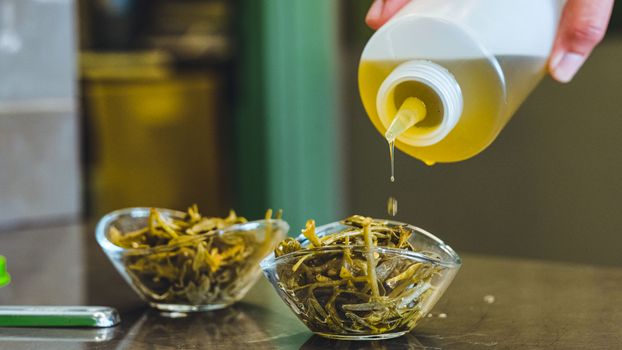
Hemp oil, also known as hemp seed oil, is made by cold-pressing the seeds of the hemp plant (Cannabis sativa). Its delicate, nutty flavor and impressive nutritional profile—rich in omega-3 and omega-6 fatty acids—make it a sought-after ingredient for salad dressings, drizzles, and light sautéing.
However, quality matters. Poorly processed or stored hemp oil can be rancid, contaminated, or stripped of nutrients. For example, a 2019 study published in the journal "Foods" found that only 64% of commercial hemp oil samples met basic quality and labeling standards. Consuming low-grade hemp oil can negate its health benefits and even introduce harmful substances.
So, what sets a high-quality hemp oil apart? The answer lies in understanding what to look for when buying.
Understanding Labels: Decoding Hemp Oil Packaging
Reading the label is your first line of defense against poor quality. Unfortunately, the food industry isn’t always clear or consistent. Here’s what you should look for:
1. $1 The best hemp oil for cooking is cold-pressed. This means the oil was extracted mechanically at low temperatures (usually below 49°C/120°F), preserving the fragile fatty acids and nutrients. Heat extraction can degrade flavor and health benefits. 2. $1 Unrefined hemp oil retains its green color, nutty taste, and nutrient profile. Refined oil, by contrast, is clear and nearly tasteless but loses much of the natural goodness. Look for "unrefined" or "virgin" on the label. 3. $1 Hemp is a bioaccumulator, which means it absorbs substances from the soil, including pesticides and heavy metals. Choosing organic-certified hemp oil (look for USDA Organic, EU Organic, or similar certifications) helps ensure the seeds were grown without harmful chemicals. 4. $1 The quality of hemp oil can vary greatly depending on where the hemp was grown. Countries with strict agricultural standards, such as Canada, the United States, and EU member states, generally produce safer, higher-quality oil. 5. $1 Freshness is critical. Hemp oil is sensitive to oxidation and can go rancid within 6-12 months. Always check for a clear expiration date and a batch number for traceability.Key Factors: Purity, Additives, and Testing
Not all hemp oils are pure. Some brands blend hemp oil with other vegetable oils to cut costs, while others might use additives or artificial flavors. Here’s how to ensure you’re buying pure, high-quality hemp oil:
- $1 The label should list only one ingredient—100% hemp seed oil. If you see other oils (like canola or sunflower), it’s a blend. - $1 Reputable brands provide lab test results confirming purity and absence of contaminants like heavy metals, pesticides, and solvents. In 2022, the European Food Safety Authority reported that 9% of tested hemp oil samples in the EU contained pesticide residues above legal limits. - $1 Quality hemp oil should be free from artificial colors, flavors, or preservatives.Packaging and Shelf Life: Protecting Hemp Oil’s Nutritional Value
The way hemp oil is packaged and stored has a huge impact on quality and shelf life.
- $1 Hemp oil is sensitive to light and air. Dark (amber or green) glass bottles shield the oil from UV rays, slowing down oxidation. Avoid clear plastic bottles, as they offer little protection. - $1 Oxygen exposure accelerates spoilage. Always choose bottles with airtight seals. - $1 Quality brands will recommend refrigerating hemp oil after opening. This prolongs freshness and preserves nutrients.A 2021 industry survey found that hemp oil stored in dark glass bottles lasted up to 50% longer before showing signs of rancidity compared to oil stored in clear plastic.
Nutritional Profile: What Makes Hemp Oil a Healthy Choice?
One of the main reasons for choosing hemp oil is its nutritional content. But not all products deliver the same benefits. Here’s what to look for:
- $1 Hemp oil contains a nearly ideal ratio of omega-6 to omega-3 fatty acids (about 3:1), which supports heart health and reduces inflammation. A single tablespoon (15 ml) provides approximately 2.5 grams of omega-3 and 7.5 grams of omega-6. - $1 High-quality hemp oil is a good source of vitamin E (approximately 6 mg per tablespoon), an antioxidant that helps protect cells from damage. - $1 Culinary hemp oil is made from hemp seeds, not flowers or leaves, so it contains negligible amounts of cannabinoids like CBD or THC—typically less than 0.01%. Any claims of "CBD-rich" hemp cooking oil are misleading.Price vs. Quality: Is Expensive Hemp Oil Worth It?
Price is often an indicator of quality, but not always. Here’s how different types of hemp oil stack up:
| Type of Hemp Oil | Typical Price per 250ml (USD) | Key Features | Best For |
|---|---|---|---|
| Cold-Pressed, Organic, Unrefined | $15-$25 | Rich flavor, high nutrient content, dark glass bottle | Salad dressings, drizzling, dips |
| Refined, Non-Organic | $8-$14 | Milder taste, lighter color, fewer nutrients | High-heat cooking, baking |
| Blended Hemp Oil | $5-$10 | Mixed with other oils, lower omega-3 content | Budget options, general cooking |
While cold-pressed, organic hemp oil costs more, its superior taste and nutritional benefits often justify the investment, especially when used in recipes where the oil’s flavor shines.
How to Spot Quality Hemp Oil Brands
With dozens of brands on the market, choosing the right one can be overwhelming. Here’s how to identify trustworthy producers:
- $1 Look for brands that disclose the origin of their hemp seeds and their production process. - $1 Organic, non-GMO, and food safety certifications are signs of quality. - $1 Consistently positive reviews, especially regarding flavor and freshness, are a good indicator. - $1 Some brands go further by supporting sustainable agriculture or using eco-friendly packaging.Three brands frequently rated highly by independent testers in 2023 include Manitoba Harvest (Canada), Nutiva (USA), and Hempen (UK). Each emphasizes transparency, third-party testing, and sustainable sourcing.
Final Tips for Buying and Using Hemp Oil in Your Kitchen
Choosing the right hemp oil for cooking means looking beyond the price tag or marketing claims. Prioritize:
- Cold-pressed, unrefined oil for maximum flavor and nutrition. - Organic certification to minimize exposure to harmful chemicals. - Dark glass packaging for protection against light and air. - A single-ingredient list—just hemp seed oil, nothing else. - Third-party lab testing and clear country-of-origin labeling.Once you’ve found a quality oil, store it in the refrigerator and use within six months of opening. Use hemp oil as a finishing touch on salads, grains, and vegetables, or mix into dips and dressings. Avoid high-heat cooking, as this can degrade its delicate fatty acids.
By choosing wisely, you’ll enjoy the unique taste and health benefits of hemp oil in your kitchen for months to come.