Hemp oil, a nutrient-rich extract from the seeds of the hemp plant (Cannabis sativa), is rapidly gaining popularity among vegetarians and vegans. Its unique nutritional profile and versatility make it an excellent addition to plant-based diets, helping to address common dietary gaps and support overall wellness. But what exactly makes hemp oil so beneficial for those who avoid animal products? And how can it enrich a vegetarian or vegan lifestyle beyond just being another oil in the pantry? This article dives deep into the science-backed advantages of hemp oil, explores its special role in plant-based nutrition, and provides practical tips for making the most of this green superfood.
Understanding Hemp Oil: A Plant-Based Powerhouse
Hemp oil is cold-pressed from hemp seeds and is unrelated to psychoactive cannabis products, as it contains negligible THC (less than 0.3%). What sets hemp oil apart nutritionally is its exceptional balance of essential fatty acids, vitamins, and minerals—elements often harder to obtain in purely plant-based diets. According to the USDA, 1 tablespoon (15 ml) of hemp oil contains roughly:
- 120 calories - 14 grams of fat (including 2 grams of saturated fat) - 2.5:1 ratio of omega-6 to omega-3 fatty acids - Zero cholesterol - Trace minerals like magnesium, potassium, and zincUnlike many vegetable oils, hemp oil provides a rare source of gamma-linolenic acid (GLA), an omega-6 fatty acid linked to anti-inflammatory benefits. For vegetarians and vegans, this is especially important, as GLA is mostly found in animal products and a few select plants.
Omega Fatty Acids: Bridging the Nutritional Gap for Vegans
One of the most discussed nutritional challenges in vegan and vegetarian diets is obtaining enough essential omega-3 and omega-6 fatty acids, which the body cannot synthesize. While omega-6 is relatively common in plant foods, omega-3 (specifically alpha-linolenic acid, or ALA) is harder to source outside of flaxseed, chia, and walnuts.
Hemp oil boasts an optimal 2.5:1 ratio of omega-6 to omega-3, which closely matches the recommended 2:1 to 4:1 range for human health. According to a 2011 study published in Nutrition & Metabolism, this balance helps reduce inflammation and may lower the risk of chronic diseases like heart disease and arthritis. Unlike flaxseed oil, which is more prone to rancidity, hemp oil’s unique composition makes it more stable, easier to digest, and better tasting for most people.
Complete Protein Support: Why Hemp Oil Matters for Plant-Based Diets
Protein is a central concern for those on plant-based diets. While hemp oil itself is not a protein source (unlike hemp seeds or hemp protein powder), it plays a crucial supporting role in protein metabolism. The essential fatty acids in hemp oil aid in the absorption of fat-soluble vitamins (A, D, E, and K) and help the body utilize plant-based proteins efficiently.
Moreover, many vegetarians and vegans rely on legumes, grains, and nuts for protein. The healthy fats in hemp oil can enhance the absorption of amino acids from these foods, indirectly supporting muscle repair, immune function, and overall energy. For those who use hemp protein powder, adding hemp oil to smoothies or salads can further optimize nutrient uptake.
Micronutrients in Hemp Oil: Meeting Vegan Needs
Beyond fatty acids, hemp oil is a valuable source of micronutrients that support a range of bodily functions. Some key nutrients include:
- Vitamin E: A powerful antioxidant that protects cell membranes and supports immune function. One tablespoon of hemp oil can provide up to 10% of the daily recommended intake. - Magnesium: Crucial for muscle function, nerve signaling, and energy production. Plant-based diets can sometimes fall short in magnesium, making hemp oil a useful supplement. - Zinc: Essential for immune health and wound healing. While hemp oil contains less zinc than hemp seeds, it can still contribute to overall intake.Hemp oil is also free from cholesterol and trans fats, making it heart-friendly—a critical advantage for those who focus on cardiovascular health in a vegan or vegetarian context.
Hemp Oil vs. Other Plant-Based Oils: A Comparative Overview
Not all plant-based oils are created equal. Some excel in cooking stability, others in omega-3 content, and some simply in flavor. Below is a comparative table highlighting key differences between hemp oil and other popular plant-based oils for vegetarians and vegans.
| Oil | Omega-6:Omega-3 Ratio | Vitamin E Content (mg/tbsp) | Smoke Point (°F) | Special Benefits |
|---|---|---|---|---|
| Hemp Oil | ~2.5:1 | ~1.5 | 330 | Balanced EFAs, GLA, mild nutty flavor |
| Flaxseed Oil | ~1:4 | ~2.4 | 225 | Richest plant-based omega-3 source |
| Olive Oil | ~13:1 | ~1.9 | 375 | High in polyphenols, heart-healthy |
| Sunflower Oil (High Oleic) | ~40:1 | ~5.6 | 450 | Very high vitamin E, neutral taste |
| Coconut Oil | ~300:1 | ~0.015 | 350 | High in MCTs, solid at room temp |
As shown above, hemp oil strikes a rare balance of essential fatty acids and micronutrients, making it uniquely suited for enriching plant-based diets without the drawbacks of high omega-6 or saturated fat content.
How to Incorporate Hemp Oil Into a Vegan or Vegetarian Diet
Maximizing the benefits of hemp oil is simple, thanks to its mild, nutty flavor and versatility. Here are some science-backed and practical ways to use it:
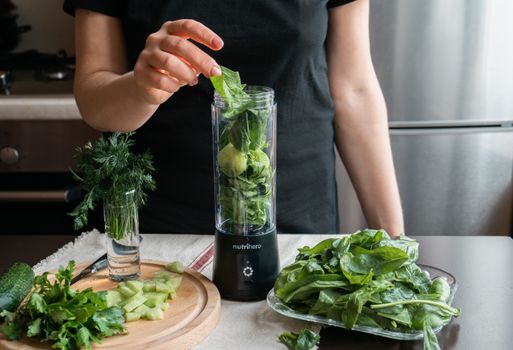
1. Drizzle on Salads and Bowls: Hemp oil makes an excellent base for salad dressings or a finishing drizzle over grain bowls, roasted vegetables, or soups. 2. Add to Smoothies: A tablespoon blended into a morning smoothie boosts healthy fat content and helps absorb fat-soluble vitamins from fruits and greens. 3. Dip for Breads: Mix hemp oil with herbs and balsamic vinegar for a nutritious bread dip. 4. Raw Sauces and Pestos: Use hemp oil in homemade sauces, dips, or pestos to retain its delicate nutrients. 5. Supplementation: For those with increased omega-3 needs or specific health goals, a daily spoonful (up to 1-2 tablespoons) can be a convenient supplement.Note: Hemp oil has a low smoke point (about 330°F/165°C), so it’s best used raw or for light sautéing. High-heat cooking can degrade its delicate fatty acids.
Addressing Common Concerns: Allergies, Sustainability, and Quality
For conscientious vegetarians and vegans, choosing foods that are ethical and sustainable is just as important as nutritional value. Hemp oil scores high on both fronts:
- $1: Hemp plants grow quickly, require minimal water, and improve soil health. Compared to other oilseed crops (like soy or canola), hemp has a lower environmental impact. - $1: Hemp seeds and oil are rarely allergenic, making them suitable for those with nut or soy allergies. However, individuals with known cannabis allergies should exercise caution. - $1: To maximize benefits, opt for cold-pressed, unrefined hemp oil stored in dark bottles to protect against oxidation. Organic certifications can further assure purity and environmental stewardship.Key Takeaways: Hemp Oil as a Cornerstone of Plant-Based Nutrition
For vegetarians and vegans, hemp oil offers much more than just another plant-based fat. Its unique blend of omega-3 and omega-6 fatty acids, rare GLA content, and micronutrients make it an ideal supplement to address common vegan and vegetarian nutritional gaps. By incorporating hemp oil into daily meals, individuals can support heart health, optimize nutrient absorption, and enjoy a delicious, sustainable boost to their diet.
Whether you’re new to plant-based eating or a long-term vegan looking to optimize your nutrition, hemp oil is a simple, effective, and eco-friendly choice that aligns perfectly with health and ethical values.