Cannabis has long been associated with relaxation, creativity, and even medicinal benefits. But over the past decade, it has also found its way into kitchens around the world, inspiring both home cooks and celebrated chefs to experiment with its unique properties. Beyond its psychoactive effects, cannabis brings a distinctive flavor profile to dishes, transforming traditional recipes and challenging our taste perceptions. But how exactly does cannabis influence the taste of food, and what happens when you blend it into new recipes? Let’s dive into the fascinating intersection of cannabis and culinary creativity.
The Science of Cannabis Flavor: Terpenes and Taste
At the heart of cannabis’s impact on food is its complex chemistry, particularly the compounds known as terpenes. Terpenes are aromatic molecules found in many plants, not just cannabis, and they’re responsible for the distinctive scents and flavors we associate with herbs, fruits, and flowers.
Cannabis contains over 200 terpenes, but some of the most notable include:
- Myrcene: Earthy, musky, and slightly fruity, found in mangoes and hops as well. - Limonene: Bright, citrusy, present in lemon and orange peels. - Pinene: Pine-like freshness, also found in rosemary and pine needles. - Linalool: Floral and spicy, reminiscent of lavender. - Caryophyllene: Peppery, spicy notes, also present in black pepper.When cannabis is cooked, these terpenes interact with other ingredients, sometimes amplifying, muting, or transforming the overall flavor of a dish. The strain, preparation method, and even the temperature used during cooking all influence which terpenes remain and how they affect the final taste.
For example, limonene-rich strains can add a zesty note to desserts, while myrcene-dominant cannabis may deepen the umami in savory dishes. Recent research shows that terpenes can evaporate at temperatures as low as 130°C (266°F), meaning slow, gentle cooking is often best for preserving their character.
From Infusion to Integration: Methods for Cooking with Cannabis
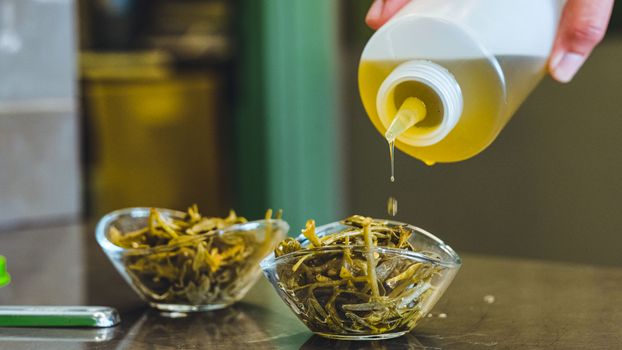
There are several ways to introduce cannabis into recipes, each with its own impact on flavor and potency. The most popular method is infusion—extracting cannabinoids and terpenes into a fat, such as butter or oil, which is then used as a base for cooking.
Here are the primary techniques:
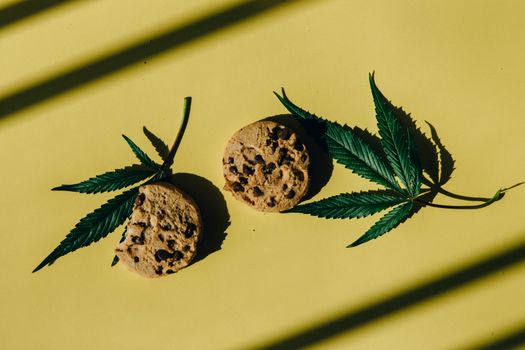
1. $1 These are made by gently heating decarboxylated cannabis with butter or oil, allowing the fat to absorb the plant’s active compounds and flavors. Cannabutter is perfect for baked goods, while cannabis-infused olive oil works well in salad dressings or drizzled over roasted vegetables. 2. $1 Finely ground cannabis can be added directly to dishes like pesto, sauces, or spice mixes. However, this approach delivers a more pronounced herbal flavor and may be best for experienced palates. 3. $1 Alcohol-based tinctures or distillates offer a way to infuse recipes with less plant matter, which can reduce the grassy taste. These are ideal for cocktails, candies, or when precise dosing is required. 4. $1 Some chefs use vaporized cannabis to impart subtle aromatics to dishes, much like using a smoke gun for cocktails or meats.Each method not only changes the dish’s flavor profile but also affects the overall culinary experience. For instance, a batch of brownies made with cannabutter from a citrus-forward strain will have a different taste and aroma than brownies made with a more earthy, myrcene-rich variety.
Experimenting with Cannabis in Classic and Modern Recipes
Experimentation is key to understanding how cannabis can enhance or alter your favorite dishes. Different strains and infusion methods unlock diverse culinary possibilities. Here’s how cannabis can interact with various recipe types:
- $1 Cannabis pairs remarkably well with rich, hearty foods. Its herbal notes complement roasted meats, stews, and creamy sauces. For example, adding cannabutter to mashed potatoes provides an earthy undertone, while cannabis oil drizzled over grilled fish can offer a subtle, citrusy lift if using a limonene-heavy strain. - $1 Classic cannabis edibles like brownies and cookies rely on the plant’s bitterness to balance sweetness. But more adventurous bakers use cannabis to add complexity to custards, ice creams, or even fruit tarts. A linalool-forward strain can enhance the floral notes in lavender shortbread, creating a sophisticated dessert. - $1 Because cannabis is plant-based, it fits seamlessly into vegetarian and vegan diets. Infused oils can be used in vegan pesto, hummus, or salad dressings, adding layers of flavor that complement fresh produce. - $1 Creative chefs are now integrating cannabis into global recipes. Imagine a Thai curry enhanced with pinene-rich cannabis, mimicking the fresh taste of Thai basil, or a Mexican mole with earthy, spicy undertones from caryophyllene.In 2021, a survey by the National Restaurant Association found that 76% of chefs considered cannabis-infused food a top trend, signaling its rising popularity and versatility across cuisines.
Comparing Cannabis Strains for Culinary Use: Flavor Profiles and Pairings
Choosing the right cannabis strain can make or break your dish. Below is a comparison table outlining common cannabis strains, their dominant terpenes, and suggested culinary pairings:
| Strain Name | Dominant Terpene | Flavor Profile | Recommended Dish Pairings |
|---|---|---|---|
| Lemon Haze | Limonene | Citrusy, sweet | Lemon bars, vinaigrettes, poultry |
| Blue Dream | Myrcene | Berry, earthy | Fruit desserts, smoothies, lamb |
| Pineapple Express | Pinene | Pine, tropical fruit | Grilled fish, salsa, sorbet |
| Granddaddy Purple | Linalool | Floral, grape | Lavender scones, berry compote, cocktails |
| OG Kush | Caryophyllene | Spicy, woody | Stews, barbecue sauce, chili |
Selecting a strain with complementary terpenes to your recipe’s main ingredients can harmonize flavors, while contrasting profiles can add an exciting twist. For instance, pairing a citrusy strain with chocolate can create a sophisticated dessert with unexpected complexity.
Potential Pitfalls: Bitterness, Dosage, and Culinary Balance
While cooking with cannabis offers ample opportunity for creativity, it also comes with challenges that can affect both taste and experience:
1. $1 Improper dosing or overuse of cannabis can lead to an overwhelming bitterness or grassy aftertaste. Straining infused oils and butters thoroughly and using moderate amounts can help maintain flavor balance. 2. $1 Home infusions can vary in strength, making it difficult to gauge the psychoactive effects. It’s crucial to calculate dosage carefully, especially if serving guests. According to a 2022 study by the Journal of Cannabis Research, the average homemade edible contains between 5-20 mg of THC per serving, but this can vary widely. 3. $1 Both cannabinoids and terpenes are sensitive to heat. Overcooking can destroy these compounds, reducing both the flavor and effects of your dish. Gentle simmering or baking at lower temperatures (below 170°C/340°F) helps preserve the desired qualities. 4. $1 Some recipes, especially those with bold spices or rich fats, may mask cannabis flavors entirely. While this can be desirable if you want to minimize herbal notes, it can also defeat the purpose of culinary experimentation. Taste testing at each stage helps strike the right balance.How Home Cooks and Chefs are Pushing Cannabis Cuisine Forward
As cannabis legalization expands, a new generation of chefs and home cooks are embracing the plant’s culinary possibilities. High-profile restaurants in cities like Los Angeles, Amsterdam, and Toronto now offer cannabis-infused tasting menus, and cookbooks dedicated to cannabis cuisine have surged in popularity.
In 2023, the global market for cannabis-infused foods was valued at $9.1 billion, with projections to reach $17.7 billion by 2028. This growth reflects not only increased legal access, but also a growing appreciation for cannabis as a legitimate ingredient rather than just a novelty.
Social media has also fueled the trend. Hashtags like #CannabisCooking and #InfusedRecipes have garnered millions of views on platforms such as Instagram and TikTok, with creators sharing everything from infused olive oils to gourmet cannabis chocolates.
Culinary schools and online courses now offer specialized training in cannabis cuisine, teaching students about proper dosing, flavor pairing, and legal considerations. As more people experiment with cannabis in the kitchen, we can expect an explosion of innovative, flavor-forward dishes that challenge traditional notions of taste.
Final Thoughts: The Future of Cannabis and Culinary Innovation
Cannabis has undeniably changed the way we think about flavor and food. Its unique terpenes and cannabinoids present both challenges and opportunities for culinary creativity, inviting cooks to rethink classic recipes and invent entirely new ones. Whether you’re a seasoned chef or a curious home cook, experimenting with cannabis in the kitchen can open up a world of taste sensations.
As the science of cannabis flavor expands and legalization continues, we can anticipate even more sophisticated recipes, targeted strain pairings, and a deeper understanding of how this remarkable plant interacts with other ingredients. The next frontier of flavor is here—and cannabis is at its heart.