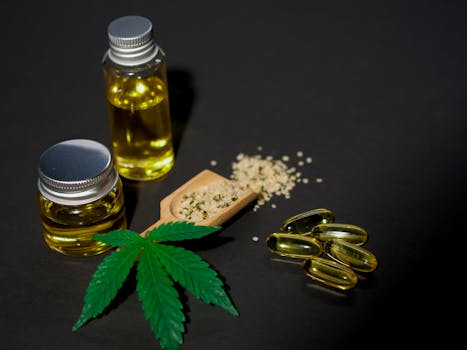
Hemp oil has rapidly risen in popularity in the world of natural skincare, capturing the attention of dermatologists, beauty experts, and everyday consumers alike. With increasing concerns about harsh chemicals and the desire for gentle, plant-based remedies, many are turning to hemp oil for its potential to soothe, balance, and revive troubled skin. Among its most promising applications are its effects on acne and eczema—two common and often stubborn skin conditions. But what is it about hemp oil that makes it so beneficial? Let’s dive deep into the science, real-world results, and practical advice on using hemp oil for clearer, healthier skin.
Understanding Hemp Oil: Composition and Skin Benefits
Before exploring its impact on acne and eczema, it’s important to clarify what hemp oil actually is. Hemp oil, also known as hemp seed oil, is derived from the seeds of the Cannabis sativa plant. Unlike CBD oil, which is extracted from the plant’s leaves and flowers, hemp oil contains virtually no THC and is non-psychoactive.
The true magic of hemp oil lies in its nutritional profile: - Rich in essential fatty acids: Hemp oil boasts a near-perfect 3:1 ratio of omega-6 to omega-3 fatty acids, which mirrors the needs of the human body. This balance helps support the skin’s natural barrier. - Packed with vitamins: Vitamins A, C, and E in hemp oil provide antioxidant protection and support skin repair. - Contains minerals and amino acids: These nutrients are building blocks for healthy skin cells.A 2014 review published in the journal “Dermatitis” highlighted that topical applications of hemp seed oil can strengthen the skin, improve hydration, and reduce inflammation. This makes it a promising candidate for managing chronic skin issues.
How Hemp Oil Addresses Acne: The Science Explained
Acne is a complex condition involving excess sebum production, clogged pores, bacteria, and inflammation. Hemp oil targets multiple factors in this process:
1. $1 Studies, including a 2014 investigation in “The Journal of Clinical Investigation,” found that hemp-derived compounds, notably CBD, can help normalize sebum (oil) production. While hemp seed oil itself doesn’t contain CBD, its omega fatty acids help balance the skin’s oil profile, reducing the risk of clogged pores. 2. $1 Acne lesions are characterized by redness and swelling. Hemp oil contains gamma-linolenic acid (GLA), a powerful anti-inflammatory agent. Research shows that GLA can help calm skin irritation and reduce the size and redness of pimples. 3. $1 Unlike coconut oil or some heavy moisturizers, hemp oil is rated “0” on the comedogenic scale, meaning it won’t clog pores. This makes it suitable even for oily and acne-prone skin types. 4. $1 The vitamins E and C in hemp oil help protect against environmental stressors that can worsen acne, such as pollution and UV damage.According to the American Academy of Dermatology, about 50 million Americans struggle with acne each year. Incorporating hemp oil into a skincare routine may offer a gentle, natural adjunct to traditional treatments, especially for those seeking to avoid harsh chemicals.
Managing Eczema with Hemp Oil: Relieving Itch and Inflammation
Eczema, or atopic dermatitis, affects approximately 31.6 million people in the US alone. It manifests as dry, itchy, inflamed patches of skin that can be intensely uncomfortable and resistant to standard treatments.
Here’s how hemp oil can make a difference for eczema sufferers:
- $1 Eczema is linked to a compromised skin barrier, allowing moisture to escape and irritants to penetrate. The fatty acids in hemp oil, particularly linoleic acid, help reinforce this barrier, locking in hydration and reducing dryness. - $1 A 2005 study in “Journal of Dermatological Treatment” found that participants who consumed hemp seed oil experienced significant improvement in skin dryness, itchiness, and overall eczema symptoms compared to those using olive oil. - $1 Hemp oil is gentle and hypoallergenic, making it suitable for even the most sensitive skin types. Its natural compounds may help reduce allergic reactions and flare-ups. - $1 The vitamin E content in hemp oil supports skin repair and regeneration, potentially speeding up recovery from eczema lesions.For those with chronic eczema, incorporating hemp oil both topically and as a dietary supplement may offer multifaceted relief.
Hemp Oil vs. Other Natural Oils: A Comparative Overview
With so many plant-based oils on the market, how does hemp oil stack up against more familiar options like coconut, jojoba, or argan oil? Here’s a comparison based on key factors relevant to acne and eczema:
| Oil | Comedogenic Rating | Key Fatty Acids | Anti-inflammatory Properties | Best For |
|---|---|---|---|---|
| Hemp Oil | 0 (Non-comedogenic) | Linoleic, Alpha-linolenic, GLA | Excellent | Acne, Eczema, Sensitive Skin |
| Coconut Oil | 4 (Highly comedogenic) | Lauric, Myristic | Moderate | Dry, Non-acneic Skin |
| Jojoba Oil | 2 (Low) | Eicosenoic, Oleic | Good | Oily, Combination Skin |
| Argan Oil | 0 (Non-comedogenic) | Oleic, Linoleic | Good | Dry, Aging Skin |
As shown, hemp oil’s unique combination of non-comedogenic properties, anti-inflammatory effects, and essential fatty acids make it particularly well-suited for acne and eczema compared to other popular oils.
How to Use Hemp Oil for Skin Conditions: Practical Tips
Getting the most out of hemp oil involves choosing the right product and using it correctly. Here’s what to consider:
- $1 For both acne and eczema, apply a few drops of cold-pressed, unrefined hemp oil directly to clean skin. It can be used as a standalone moisturizer or mixed with other compatible oils (like jojoba or rosehip) for enhanced benefits. - $1 Hemp oil makes an excellent carrier oil for essential oils like tea tree or lavender, which have additional antibacterial and calming properties. Always dilute essential oils to avoid irritation. - $1 Taking hemp oil orally (1-2 tablespoons per day) can provide systemic anti-inflammatory benefits. Always choose food-grade hemp oil and consult your doctor if you have medical conditions or take medications. - $1 Even though hemp oil is generally safe, perform a patch test before widespread use to rule out any rare allergic reactions. - $1 Store hemp oil in a cool, dark place to prevent spoilage, as its delicate fats can oxidize over time.A survey from the Natural Marketing Institute found that 25% of US consumers are interested in plant-based skincare, with hemp oil’s versatility and safety being key drivers.
What the Research and Experts Say About Hemp Oil for Skin
While clinical research is still catching up to anecdotal enthusiasm, several scientific studies support hemp oil’s potential:
- A 2015 study in the “Journal of Clinical Investigative Dermatology” concluded that hemp seed oil may help improve symptoms of atopic dermatitis and acne due to its anti-inflammatory and moisture-regulating effects. - Dermatologists like Dr. Joshua Zeichner (Director of Cosmetic and Clinical Research in Dermatology at Mount Sinai Hospital) recommend hemp oil for sensitive, inflamed skin, citing its well-balanced fatty acid content. - In a consumer trial by a major skincare brand, 82% of users with acne-prone skin reported fewer breakouts after four weeks of using a hemp oil-based serum.However, experts caution that results can vary from person to person, and those with severe or persistent skin conditions should consult a dermatologist before making significant changes to their regimen.
Final Thoughts: Is Hemp Oil the Solution for Acne and Eczema?
The evidence so far suggests that hemp oil is more than a passing trend—it’s a promising, science-backed option for those dealing with acne, eczema, or sensitive skin. Its unique fatty acid profile, non-comedogenic nature, and soothing properties make it stand out among natural oils. While it’s not a miracle cure, many people find it a valuable addition to their skincare arsenal, with the added bonus of being gentle, eco-friendly, and widely available.
If you’re seeking a holistic, plant-based approach to managing problem skin, hemp oil is worth considering. As always, monitor your skin’s response and consult with a professional if needed. With the right approach, you may find that hemp oil helps unlock smoother, calmer, and more resilient skin.