Cannabis is steadily making its way from dispensaries and smoke shops into home kitchens across the world. As legalization spreads and the stigma fades, more home cooks are exploring the remarkable versatility of cannabis as a culinary ingredient—not just for its psychoactive effects, but also for its unique flavor profiles and potential health benefits. Whether you’re a seasoned chef or a curious beginner, learning how to use cannabis in the kitchen opens up a world of creative possibilities. This guide will walk you through the essentials, from choosing the right cannabis to infusing oils and creating delicious, precise, and safe homemade edibles.
The Basics: Understanding Cannabis as a Culinary Ingredient
Before you start cooking with cannabis, it’s important to understand how this plant behaves in the kitchen. Unlike traditional herbs, cannabis requires some preparation to unlock its full potential.
The main active compounds in cannabis are THC (tetrahydrocannabinol) and CBD (cannabidiol). THC is responsible for the psychoactive effects, while CBD is non-psychoactive but offers a range of potential wellness benefits. These compounds are fat-soluble, meaning they bind best to fats like butter or oil, rather than water.
Cannabis also contains terpenes, the aromatic compounds that give different strains their unique flavors and scents—think citrusy, piney, earthy, or floral notes. These flavors can add depth and intrigue to your dishes, but they can also be overpowering if not balanced correctly.
Most importantly, raw cannabis is not psychoactive. To activate THC, you need to decarboxylate—heat the cannabis to convert THCA (its inactive form) into THC. This is usually done at 220-240°F (104-115°C) for 30-45 minutes before infusing.
Decarboxylation: The Key to Potent Homemade Edibles
If you skip decarboxylation, your edibles will be weak or non-psychoactive. Here’s how to do it safely and efficiently at home:
1. Preheat your oven to 240°F (115°C). 2. Break up cannabis buds into small pieces, but don’t grind them too fine—a rough chop works best. 3. Spread the cannabis evenly on a baking sheet lined with parchment paper. 4. Bake for 30-40 minutes, stirring every 10 minutes to ensure even heating. 5. Once the cannabis turns a light golden brown, remove from the oven and let cool.This process ensures the cannabinoids are activated and ready to infuse into fats or other ingredients. Overheating can degrade THC and destroy terpenes, leading to a less flavorful and less potent result.
Infusing Cannabis: Oils, Butters, and Beyond
Once decarboxylated, cannabis can be infused into various carrier fats. The most popular are butter (for baking) and oils (like coconut, olive, or avocado oil). Here’s a quick comparison of popular infusion bases:
| Infusion Base | Flavor Profile | Best Uses | Fat Content (%) |
|---|---|---|---|
| Butter | Rich, creamy | Baked goods, sauces | 80-82 |
| Coconut Oil | Mild, slightly sweet | Vegan baking, curries, smoothies | 99 |
| Olive Oil | Fruity, peppery | Dressings, sautés, dips | 100 |
| Avocado Oil | Neutral, buttery | High-heat cooking, marinades | 100 |
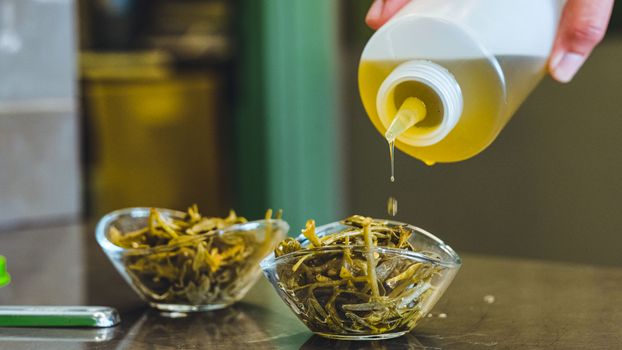
To infuse, combine your decarboxylated cannabis and chosen fat in a double boiler or slow cooker. Use a low temperature (160-200°F / 71-93°C) for 2-4 hours, stirring occasionally. Strain through cheesecloth to remove plant material. The resulting infused fat can be used in any recipe calling for oil or butter—just be sure to store it in an airtight container in the fridge for up to two weeks, or freeze for longer storage.
Dosing and Safety: Tips for Consistent, Enjoyable Edibles
One of the biggest challenges in home cannabis cooking is dosing. Too little and you’ll feel nothing; too much, and you might have an overwhelming experience. Start low and go slow is the golden rule.
Here’s a simple formula to estimate potency:
- Assume 1 gram of cannabis contains about 150-200 mg of THC if it’s 15-20% THC by weight. - After decarboxylation and infusion, expect about 70-80% efficiency.For example, if you use 1 gram (1000 mg) of 20% THC cannabis, that’s 200 mg THC. After processing, you might end up with 140-160 mg in your final oil or butter batch.
Divide the total THC by the number of servings to estimate the dose per serving. For beginners, 2.5-5 mg THC per serving is recommended. Always label homemade edibles and keep them out of reach of children and pets.
Flavor Pairings and Culinary Techniques for Cannabis Cooking
Cannabis’ herbal, sometimes pungent flavors can be a delight or a challenge, depending on your recipe. Expert home cooks know how to balance and complement these flavors for the best results.
- Earthy strains pair well with chocolate, coffee, nuts, and umami-rich dishes. - Citrus-forward strains brighten fruit dishes, vinaigrettes, and seafood. - Piney or herbal strains add depth to roasted vegetables, savory baked goods, and herb-forward sauces.To mellow the “green” taste, try clarifying your cannabutter or using strong complementary flavors, such as garlic, ginger, spices, or citrus zest.
Advanced techniques, like infusing cannabis into cream for ice cream or using tinctures for cocktails and syrups, can elevate your repertoire. Remember, cannabinoids degrade at high temperatures, so avoid direct high-heat cooking after infusion. Add infused oils or butters toward the end of cooking, or use them in no-bake recipes for best results.
Creative Cannabis Recipes to Try at Home
Ready to get started? Here are a few ideas that go beyond brownies:
1. Cannabis-Infused Olive Oil Drizzle: Perfect for finishing pizza, pasta, or roasted vegetables. Just a teaspoon adds flavor and effect. 2. CBD-Enhanced Guacamole: Mash ripe avocados with infused oil, lime, and cilantro for a relaxing snack. 3. THC-Infused Chocolate Truffles: Blend cannabutter with melted chocolate, chill, and roll in cocoa for decadent treats. 4. Savory Cannabis Compound Butter: Mix chopped herbs, garlic, and infused butter for steaks, grilled corn, or fresh bread. 5. Chilled Cannabis-Infused Gazpacho: Blend tomatoes, cucumbers, and infused olive oil for a refreshing summer soup.Always label your creations and start with small servings until you know the effects. Sharing with friends? Make sure everyone understands the potency and waits at least two hours before consuming more.
Why Home Cannabis Cooking Is More Than Just Edibles
Cooking with cannabis isn’t just about making potent brownies or gummies. It’s a way to control your experience, explore new flavors, and even experiment with the wellness benefits of different cannabinoids and terpenes.
In 2022, the global cannabis edibles market was valued at $9.6 billion and is projected to reach $20.7 billion by 2027, according to MarketsandMarkets. This surge reflects growing interest in personalized, homemade infusions and gourmet cannabis cuisine.
Home cooking allows you to customize doses, flavors, and ingredients to suit your lifestyle—whether you want a relaxing cup of CBD tea, a microdosed salad dressing, or a show-stopping dessert. With proper preparation and a sense of adventure, cannabis can become just another spice in your kitchen arsenal.
Final Thoughts: Embracing Cannabis as a Culinary Adventure
Using cannabis in the kitchen is both an art and a science. From decarboxylation to infusions, flavor pairing to safe dosing, each step brings new opportunities for creativity and discovery. Whether you’re seeking the therapeutic benefits of CBD or the classic euphoria of THC, home cannabis cooking lets you explore the plant in a whole new way—one that’s flavorful, precise, and uniquely yours.
As with all culinary adventures, start simply, respect your ingredients, and learn as you go. The world of cannabis cuisine is still young, and you have a chance to help shape it with every meal you make.