Including hemp seeds in your diet is more than just a health trend—it’s a smart, flavorful choice for anyone interested in nutrition, wellness, and delicious meals. Known as one of nature’s most complete plant-based foods, hemp seeds are tiny powerhouses packed with essential nutrients, versatility, and culinary potential. But what exactly are the benefits of hemp seeds in recipes, and why should you be sprinkling them into your meals? Let’s explore the science, the flavor, and the practical reasons behind making hemp seeds a staple ingredient in your kitchen.
The Nutritional Value of Hemp Seeds: What Makes Them a Superfood?
Hemp seeds, also known as hemp hearts, come from the Cannabis sativa plant, but they contain only trace amounts of THC (less than 0.3%), making them non-psychoactive and safe for consumption. What truly sets them apart is their impressive nutritional profile:
- A 30-gram serving (about three tablespoons) of hemp seeds contains approximately 10 grams of plant-based protein, 180 calories, and 12 grams of healthy fats. - They are one of the few plant sources to provide all nine essential amino acids, making them a complete protein—an important point for vegetarians and vegans. - Hemp seeds are rich in essential fatty acids, particularly omega-3 (alpha-linolenic acid, or ALA) and omega-6 (linoleic acid), with a healthy ratio close to 3:1. - They provide valuable vitamins and minerals such as vitamin E, magnesium, phosphorus, potassium, and iron.Notably, hemp seeds are easily digestible, unlike some other plant proteins. According to research published in Food Science and Technology Research, over 90% of the protein in hemp seeds is digestible, making it highly bioavailable.
Culinary Versatility: Creative Ways to Use Hemp Seeds in Recipes
One of the greatest benefits of hemp seeds is their culinary flexibility. Their subtle, slightly nutty flavor complements both sweet and savory dishes. Here are just a few ways you can integrate hemp seeds into your daily recipes:
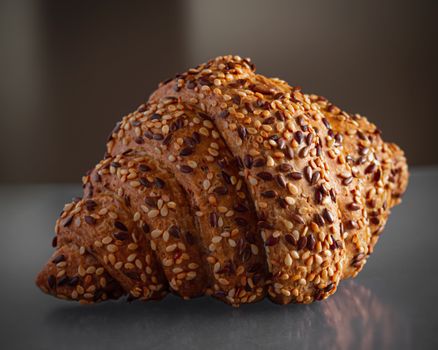
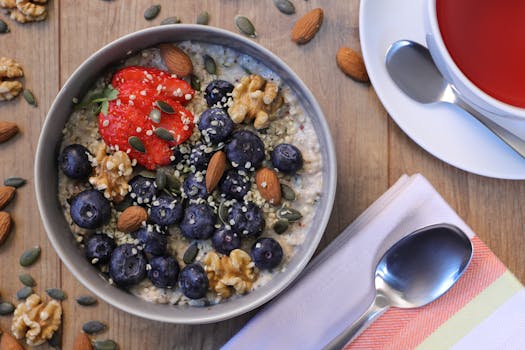
- Breakfast: Sprinkle hemp seeds on oatmeal, yogurt, or smoothie bowls for a protein and texture boost. - Salads: Add a handful of hemp seeds to green salads or grain bowls for extra crunch and nutrition. - Baking: Mix hemp seeds into muffins, cookies, or homemade granola bars for added fiber and healthy fats. - Sauces and Dressings: Blend hemp seeds into pesto, hummus, or creamy salad dressings to create a rich, dairy-free texture. - Main Dishes: Use hemp seeds as a crust for baked chicken or fish, or stir them into stir-fries and veggie burgers for enhanced flavor and nutrition.Hemp seeds can even be made into plant-based milk—simply blend with water and strain for a creamy, nutrient-rich alternative to cow’s milk or almond milk.
Hemp Seeds vs. Other Seeds: How Do They Compare?
You might be wondering how hemp seeds stack up against other popular seeds, such as chia and flax. While all three are nutritious, hemp seeds offer unique advantages, especially when it comes to protein content and digestibility.
| Seed Type | Protein (per 30g) | Omega-3 (ALA, mg) | Fiber (g) | Calcium (mg) |
|---|---|---|---|---|
| Hemp Seeds | 10g | 2,700mg | 1g | 21mg |
| Chia Seeds | 5g | 5,000mg | 10g | 179mg |
| Flax Seeds | 6g | 6,400mg | 8g | 76mg |
As the table illustrates, hemp seeds are the clear winner for protein, offering double that of chia and flax. While chia and flax seeds are higher in fiber and omega-3, hemp seeds provide a more balanced omega-6 to omega-3 ratio, which is important for heart health and inflammation control.
Health Benefits of Including Hemp Seeds in Your Diet
The benefits of hemp seeds extend far beyond their nutritional content. Regularly incorporating them into your recipes can have a meaningful impact on your overall health:
1. $1 The unique balance of omega-6 and omega-3 fatty acids in hemp seeds is linked to reduced risk of heart disease. Clinical studies suggest these fats can help lower blood pressure, reduce cholesterol, and decrease inflammation in blood vessels. 2. $1 While hemp seeds are lower in fiber than chia or flax, they still contribute to digestive health, especially when consumed with their shells. The soluble and insoluble fibers help maintain regularity and support beneficial gut bacteria. 3. $1 With a high-quality, complete protein content, hemp seeds are ideal for muscle repair and growth. The combination of protein and healthy fats also promotes satiety, helping to control appetite and support weight management. 4. $1 Hemp seeds are a good source of vitamin E and minerals such as magnesium and zinc, which play vital roles in immune system function. 5. $1 The fatty acids in hemp seeds nourish skin and hair, helping to prevent dryness, reduce inflammation, and promote a healthy glow.A 2020 review in the journal Nutrients concluded that hemp seed supplementation can contribute to overall wellbeing, especially when included as part of a balanced diet rich in fruits, vegetables, and whole grains.
Addressing Common Concerns: Are Hemp Seeds Safe and Legal?
Despite their origin from the cannabis plant, hemp seeds are completely safe and legal to consume in most countries, including the United States, Canada, Australia, and the UK. They contain less than 0.3% THC and have no psychoactive effects. In fact, the World Health Organization has stated that hemp seeds are safe for all age groups.
Allergic reactions to hemp seeds are extremely rare, but as with any new food, it’s wise to start with a small amount if you have a history of seed allergies. Pregnant or breastfeeding women can safely enjoy hemp seeds as part of a varied diet, but it’s always best to consult a healthcare provider if you have concerns.
How to Select, Store, and Use Hemp Seeds for Maximum Benefit
To get the most out of hemp seeds, freshness and storage matter. Here’s how to ensure you’re getting the best nutrition and flavor:
- $1 Look for hulled hemp seeds (hemp hearts) from reputable brands. Organic and non-GMO certifications are a plus. - $1 Hemp seeds contain delicate fatty acids that can go rancid. Store them in an airtight container in the refrigerator or freezer for optimal freshness, especially after opening. - $1 A typical serving is 2-3 tablespoons per day, which provides a substantial boost of protein and healthy fats without excess calories. - $1 Hemp seeds require no soaking or grinding and can be eaten raw, toasted, or blended into recipes. Their mild flavor means they won’t overpower dishes, making them a seamless addition to everything from smoothies to baked goods.For those with nut allergies, hemp seeds are a safe alternative and can be used in place of chopped nuts in most recipes.
Smart Ways to Start Adding Hemp Seeds to Your Recipes
If you’re new to hemp seeds, start simple. Here are a few easy ideas to incorporate them into your daily meals:
- Stir 2 tablespoons into your morning smoothie or yogurt. - Mix into overnight oats with berries and honey. - Top avocado toast with a sprinkle of hemp hearts for added crunch. - Blend into salad dressings or dips for a creamy, nutty texture. - Use as a garnish for roasted vegetables, soups, or grain bowls.With their nutritional benefits, safety, and adaptability, hemp seeds make it easy to upgrade the healthfulness of your favorite recipes—without sacrificing taste.
Bringing It All Together: Why Hemp Seeds Deserve a Place in Your Diet
Hemp seeds offer a rare combination of plant-based protein, healthy fats, and essential nutrients in a convenient, versatile package. Whether you’re looking to boost your protein intake, support heart health, or simply try something new in the kitchen, hemp seeds are a smart and delicious choice. Their mild flavor allows them to blend seamlessly into a variety of recipes, making healthy eating easier and more enjoyable.
By making hemp seeds a regular part of your meals, you’re investing in your wellbeing and expanding your culinary horizons. So next time you’re planning breakfast, lunch, or dinner, reach for a handful of hemp seeds—and experience the difference they can make in your diet.