Hemp seeds have gained considerable attention in recent years as a nutrient-dense superfood with an impressive nutritional profile. With their subtle nutty flavor and soft texture, these tiny seeds are not only versatile in the kitchen but also deliver a wealth of health benefits, from supporting heart health to promoting better digestion. But what exactly makes hemp seeds so beneficial, and how can you seamlessly add them to your daily meals? Let’s explore the science-backed advantages of hemp seeds and discover creative, practical ways to incorporate them into your diet.
The Nutritional Powerhouse: What Makes Hemp Seeds Unique?
Hemp seeds, also known as hemp hearts, are the edible, soft inner kernels of the Cannabis sativa plant. Unlike marijuana, hemp seeds contain only trace amounts of THC (less than 0.3%), so they do not produce any psychoactive effects. Instead, their value lies in their exceptional nutrition.
A 3-tablespoon (30-gram) serving of hemp seeds provides:
- 166 calories - 9.5 grams of protein - 14.6 grams of fat (mainly polyunsaturated) - 2.6 grams of carbohydrates - 1.2 grams of fiber - 2.8 mg of iron (15% of the daily value) - 2 mg of zinc (20% of the daily value) - 210 mg of magnesium (50% of the daily value) - 495 mg of potassium (10% of the daily value)Hemp seeds also deliver all nine essential amino acids, making them a complete protein source—an uncommon feature among plant-based foods. Additionally, they are rich in vitamin E, phosphorus, and B vitamins.
Major Health Benefits of Hemp Seeds Supported by Science
The nutritional makeup of hemp seeds translates to a variety of health advantages. Here are the most notable science-backed benefits:
Heart Health
Hemp seeds are loaded with heart-friendly nutrients, particularly their high content of omega-3 and omega-6 fatty acids in the ideal 3:1 ratio. These essential fats help reduce inflammation, lower blood pressure, and decrease the risk of heart disease. A 2010 study published in Nutrition & Metabolism found that consuming hemp seed oil improved cholesterol profiles and reduced inflammation markers in participants.
Rich Plant Protein
With nearly 10 grams of protein per 3-tablespoon serving, hemp seeds rival soybeans and surpass many other seeds and nuts. Their protein is highly digestible, containing edestin and albumin—two types of proteins that are easy for the body to break down and utilize. For vegetarians, vegans, and athletes, hemp seeds are a valuable protein source for muscle repair and overall health.
Digestive Support
Hemp seeds contain both soluble and insoluble fiber, although most of the fiber is concentrated in the outer shell. While shelled hemp hearts contain about 1.2 grams of fiber per serving, whole seeds offer up to 4 grams. Dietary fiber promotes healthy digestion, supports regular bowel movements, and feeds beneficial gut bacteria.
Hormonal Balance
The gamma-linolenic acid (GLA) in hemp seeds—an omega-6 fatty acid—has been shown to support hormonal balance, particularly in women. Research suggests that GLA may help alleviate symptoms of premenstrual syndrome (PMS) and menopause by modulating prostaglandin production, which influences hormone-like activity in the body.
Skin Health
The balanced fatty acid content in hemp seeds aids in skin health. Studies have demonstrated that consuming hemp seed oil can reduce dryness, itchiness, and symptoms of eczema, likely due to its anti-inflammatory properties and ability to nourish the skin from within.
Comparing Hemp Seeds with Other Super Seeds
How do hemp seeds stack up against other popular seeds like chia and flax? Here’s a quick comparative overview:
| Seed (per 30g) | Calories | Protein (g) | Fat (g) | Omega-3 (mg) | Fiber (g) | Iron (% DV) | Magnesium (% DV) |
|---|---|---|---|---|---|---|---|
| Hemp | 166 | 9.5 | 14.6 | 2,600 | 1.2 | 15% | 50% |
| Chia | 138 | 4.7 | 8.7 | 5,055 | 10.6 | 12% | 23% |
| Flax | 150 | 5.2 | 12 | 6,388 | 7.6 | 13% | 27% |
Key takeaways:
- Hemp seeds have the highest protein and magnesium content. - Chia and flax seeds offer more fiber and omega-3s per serving. - All three are excellent additions to a balanced diet, but hemp seeds stand out for plant protein.Creative Ways to Add Hemp Seeds to Your Meals
Hemp seeds’ mild, nutty flavor makes them incredibly easy to blend into a wide range of dishes. Here are some simple and delicious ways to start enjoying these super seeds:
Sprinkle on Breakfast Dishes
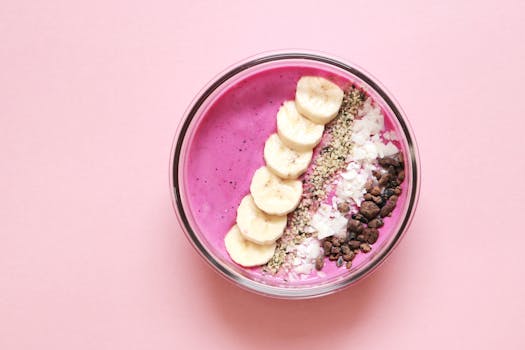
Add a tablespoon or two to oatmeal, yogurt, smoothie bowls, or cereal for a protein and nutrient boost. The seeds blend in seamlessly and offer a pleasant crunch.
Blend into Smoothies
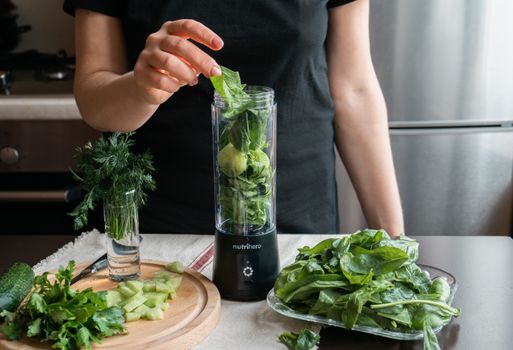
Toss a handful of hemp hearts into your morning smoothie. They blend well, add creaminess, and boost the protein content without altering the taste.
Mix into Baking
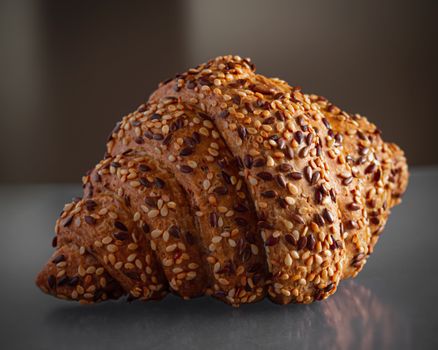
Incorporate hemp seeds into homemade muffins, pancakes, or bread. Replace up to 25% of flour with ground hemp seeds for added nutrition, or simply stir in whole seeds to batters and doughs.
Top Salads and Soups
Use hemp seeds as a nutritious topping for salads, soups, and even roasted vegetables. They pair especially well with avocado, tomatoes, or leafy greens.
Make Hemp Seed Pesto or Dressing
Blend hemp seeds with fresh basil, garlic, olive oil, and lemon juice for a dairy-free, protein-rich pesto. You can also whisk them into vinaigrettes for creamy salad dressings.
Stir into Grain Bowls and Stir-Fries
Toss hemp seeds into cooked rice, quinoa, or grain bowls. They add texture, protein, and healthy fats to plant-based meals.
Tips for Maximizing the Benefits of Hemp Seeds
To get the most out of hemp seeds, consider the following expert tips:
Choose Shelled Hemp Hearts for Convenience
Shelled hemp hearts are the most commonly available form and are ready to eat straight from the package. Whole hemp seeds with the shell offer more fiber but are crunchier and can be harder to digest.
Store Properly to Preserve Freshness
Because of their high fat content, hemp seeds can spoil if not stored correctly. Keep them in an airtight container in the refrigerator or freezer to extend shelf life. Properly stored, they can last up to one year.
Mind the Serving Size
A typical serving is 2 to 3 tablespoons (20-30 grams), which provides a significant nutrition boost without excessive calories or fat. Adjust portions based on your dietary needs.
Allergy Considerations
Hemp seeds are not a common allergen, but cross-reactivity with other seeds or nuts is possible. If you have allergies, introduce them cautiously and consult your healthcare provider if unsure.
Potential Precautions and Who Should Limit Hemp Seed Intake
While hemp seeds are safe and beneficial for most people, a few considerations are worth noting:
Digestive Sensitivity
Some people may experience mild gastrointestinal discomfort, especially when consuming large amounts of seeds for the first time. Start with a small serving and gradually increase as tolerated.
Anticoagulant Medication
Hemp seeds contain a moderate amount of vitamin K and healthy fats, which can interact with blood-thinning medications like warfarin. If you are on such medications, consult your doctor before adding hemp seeds to your diet.
Caloric Density
Although nutrient-dense, hemp seeds are also relatively high in calories and fat by volume. Those watching calorie intake for weight management should keep portions moderate.
Final Thoughts: Why Hemp Seeds Deserve a Spot in Your Diet
Hemp seeds are a nutritional powerhouse, offering complete protein, heart-healthy fats, essential minerals, and antioxidants—all packed into a small, versatile seed. Whether you’re aiming to boost your plant-based protein intake, support cardiovascular health, or simply add variety to your meals, hemp seeds are an easy, delicious solution.
With a multitude of ways to enjoy them, from smoothies to salads to baked goods, incorporating hemp seeds into your daily routine is both effortless and rewarding. As always, listen to your body, start with moderate portions, and enjoy the vibrant health benefits that these ancient seeds have to offer.