The Promising Health Benefits of CBD: A Comprehensive Look at Emerging Science
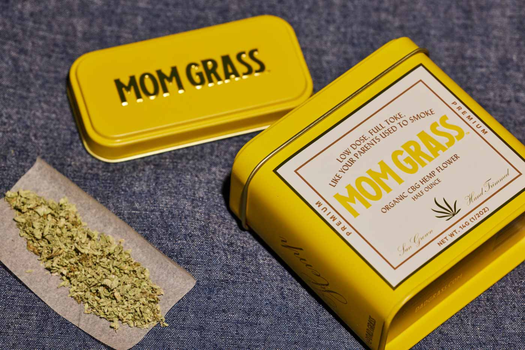
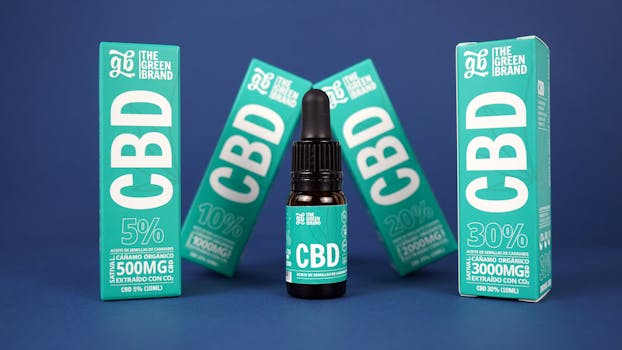
Cannabidiol, more widely known as CBD, has taken the world by storm in recent years. From local health shops to major pharmacies, CBD-infused products are appearing everywhere—oils, gummies, creams, and even beverages. But what’s behind the buzz? Beyond marketing and trendy packaging, a growing body of scientific research is beginning to uncover the genuinely promising health benefits of CBD. Unlike THC, CBD does not have psychoactive effects, making it an attractive option for those seeking relief from various ailments without the “high.” This article delves into the latest findings, exploring how CBD may support health, how it works in the body, and what the future holds for this increasingly popular compound.
The Science Behind CBD: How It Interacts With the Body
CBD is one of over 100 cannabinoids found in the Cannabis sativa plant. Its effects stem largely from its interaction with the human endocannabinoid system (ECS)—a complex signaling network that regulates critical bodily functions such as pain, mood, sleep, immune response, and appetite.
Unlike THC, which binds directly to cannabinoid receptors in the brain (notably CB1), CBD has a more indirect effect. It influences both CB1 and CB2 receptors throughout the nervous and immune systems but does not activate them in the same way as THC. Instead, CBD appears to modulate receptor activity, enhance the body’s natural endocannabinoids, and interact with other non-cannabinoid receptors like serotonin and TRPV1.
Research published in the journal Frontiers in Pharmacology (2020) revealed that CBD’s wide-ranging effects are due to this unique multi-targeted approach. This versatility may explain why CBD is being investigated for such a diverse array of health conditions, from chronic pain to neurodegenerative disorders.
CBD for Chronic Pain: A Natural Alternative?
Chronic pain is one of the most common reasons people turn to CBD. According to the Centers for Disease Control and Prevention (CDC), over 20% of adults in the United States—about 50 million people—live with chronic pain. Traditional pain management often relies on opioids and other medications that can cause dependency and side effects.
A comprehensive review published in 2021 in the Journal of Clinical Medicine analyzed over 15 studies and found that CBD could reduce pain in conditions such as arthritis, neuropathic pain, and fibromyalgia. For example, a 2017 study involving people with multiple sclerosis (MS) found that CBD-based oral sprays significantly reduced muscle spasticity and pain.
While more research is needed, these findings suggest that CBD may offer a safer, non-addictive alternative for managing ongoing pain—potentially reducing the reliance on conventional pharmaceuticals.
CBD and Neurological Health: Hope for Epilepsy and Beyond
One of the most compelling—and well-documented—uses of CBD is in the treatment of certain types of epilepsy. In fact, the U.S. Food and Drug Administration (FDA) approved Epidiolex, a purified CBD extract, in 2018 for two rare and severe forms of epilepsy: Dravet syndrome and Lennox-Gastaut syndrome.
In clinical trials, Epidiolex reduced seizure frequency by more than 40% in some patients, with manageable side effects. These results have not only improved quality of life for thousands of families but have also spurred new investigations into how CBD might benefit other neurological disorders.
Preliminary research points to potential applications for CBD in conditions such as Parkinson’s disease, Alzheimer’s disease, and traumatic brain injuries. For instance, a 2020 study in the Journal of Alzheimer’s Disease found that CBD may help protect neurons, reduce inflammation, and promote brain cell survival in animal models. Although human trials are in early stages, these findings highlight the neuroprotective promise of CBD.
Mental Health Benefits: Anxiety, Depression, and Sleep
Mental health disorders are a growing global concern, impacting nearly 1 in 5 adults in the U.S. alone, according to the National Institute of Mental Health. Traditionally, anxiety, depression, and insomnia have been treated with medications that sometimes produce unwanted side effects or dependency.
CBD is gaining attention as a potential remedy for several mental health challenges. Several double-blind, placebo-controlled studies have found that CBD may significantly reduce anxiety in both healthy individuals and those with social anxiety disorder. A 2019 study published in The Permanente Journal reported that 79.2% of participants experienced reduced anxiety within the first month of CBD use, and 66.7% saw improved sleep.
CBD appears to influence serotonin receptors, which play a key role in mood regulation. Early research on depression is promising, too, with some animal studies suggesting antidepressant-like effects.
While CBD is not a cure-all, these results suggest it may offer natural relief for those struggling with anxiety, depressive symptoms, or sleep issues—especially for individuals seeking alternatives to pharmaceutical drugs.
Cannabidiol and Inflammation: Implications for Autoimmune Disorders
Chronic inflammation is at the root of many health problems, including autoimmune diseases such as rheumatoid arthritis, Crohn’s disease, and lupus. One of the most exciting areas of CBD research is its role as an anti-inflammatory agent.
Laboratory studies have shown that CBD can reduce the production of inflammatory cytokines and suppress immune cell activity linked to tissue damage. In a 2020 review in the journal Antioxidants, researchers noted that CBD’s anti-inflammatory effects appear to be mediated through several pathways, including the inhibition of NF-kB and reduction of oxidative stress.
Small-scale human trials are underway, but anecdotal reports from patients with autoimmune conditions suggest that CBD may help alleviate symptoms like joint pain, swelling, and fatigue. As research progresses, CBD could emerge as a valuable adjunct therapy for managing chronic inflammation.
Comparing CBD Delivery Methods: Which Is Most Effective?
CBD is available in a wide range of formulations, each with its own absorption rate, bioavailability, and onset of action. Here’s a comparison of the most common methods:
| Delivery Method | Onset Time | Duration | Bioavailability (%) | Common Uses |
|---|---|---|---|---|
| CBD Oil/Tincture (Sublingual) | 15-45 minutes | 4-6 hours | 13-35% | Anxiety, pain, sleep |
| CBD Edibles (Gummies, Capsules) | 30-120 minutes | 6-8 hours | 6-20% | Long-lasting relief, sleep |
| CBD Topicals (Creams, Balms) | 15-30 minutes | 2-4 hours | N/A (local only) | Localized pain, inflammation |
| CBD Vape/Inhalation | 1-5 minutes | 2-3 hours | 34-56% | Acute symptoms, fast relief |
Sublingual CBD oils and tinctures offer a balance between quick onset and sustained effects, while edibles provide longer-lasting relief but take more time to work. Topicals are best for targeted relief, and inhalation offers the fastest absorption but shorter duration. The best method depends on the user’s needs and preferences.
Safety, Side Effects, and Regulatory Outlook for CBD
As CBD’s popularity has surged, so have questions about its safety and regulation. According to a 2020 report by the World Health Organization, CBD is generally well-tolerated, with a good safety profile. Reported side effects are mild and may include fatigue, changes in appetite, and diarrhea.
However, CBD can interact with certain medications, particularly those metabolized by the liver’s cytochrome P450 system, such as blood thinners and some antidepressants. It’s essential for individuals with underlying health conditions or those taking prescription medications to consult their healthcare provider before using CBD.
Regulation varies by country and state. In the U.S., CBD derived from hemp (containing less than 0.3% THC) is legal at the federal level, but state laws differ. The lack of FDA oversight for most CBD products means quality can be inconsistent—third-party lab testing is crucial to ensure product safety and accurate labeling.
The Future of CBD: What’s Next for This Promising Compound?
The last decade has seen CBD transform from a niche alternative remedy to a mainstream wellness supplement. As of 2023, the global CBD market was valued at $7.6 billion, with projections to reach over $22 billion by 2030, according to Grand View Research.
Ongoing studies are exploring CBD’s effects on everything from addiction and metabolic disorders to cancer and dermatological conditions. As clinical evidence accumulates, we can expect to see more precise formulations, targeted therapies, and hopefully, more regulatory clarity.
For now, while CBD is not a panacea, it represents a promising tool in the evolving landscape of health and wellness—one that is increasingly supported by science rather than just anecdote.