CBD in Skincare: Unlocking the Science and Benefits for Radiant Skin
The beauty and skincare industry is always on the lookout for the next breakthrough ingredient, and in recent years, cannabidiol (CBD) has emerged as a star player. From high-end serums to everyday moisturizers, CBD has found its way into countless products promising healthier, clearer, and more youthful skin. But how much of this buzz is backed by science, and what exactly can consumers expect from using CBD-infused skincare? In this comprehensive guide, we delve into the research, benefits, safety, and latest innovations in CBD skincare to help you make informed choices for your skin health.
The Science Behind CBD and Skin Health
CBD is a non-psychoactive compound derived from the Cannabis sativa plant. Unlike its cousin THC, CBD does not produce a "high," making it an appealing option for topical use. The skin is the body’s largest organ and is equipped with its own endocannabinoid system (ECS)—a network of receptors that help regulate inflammation, cell growth, and immune response.
Recent studies reveal that the ECS plays a critical role in maintaining skin homeostasis. A 2020 review published in $1 highlights that cannabinoid receptors (CB1 and CB2) are present in skin cells, hair follicles, and sebaceous glands. When CBD interacts with these receptors, it may help modulate processes such as sebum production, inflammation, and cell turnover, all of which are crucial for skin health.
One of the most exciting findings is CBD’s antioxidant and anti-inflammatory properties. Antioxidants help protect skin from environmental stressors like UV rays and pollution, while anti-inflammatories can calm irritation and redness. A 2019 study showed that CBD could decrease the production of pro-inflammatory cytokines in skin cells by up to 60%, offering a potential lifeline for those with sensitive or reactive skin.
Key Benefits of CBD-Infused Skincare Products
CBD’s popularity in skincare isn’t just hype—there’s science to support its benefits. Here are the most compelling reasons to consider adding CBD to your skincare routine:
1. $1 CBD’s anti-inflammatory effects can help soothe skin flare-ups caused by conditions like eczema, psoriasis, and dermatitis. In a 2019 clinical trial, 20 patients with chronic skin disorders applied a CBD-rich ointment twice daily for three months, resulting in an 80% improvement in skin hydration and elasticity. 2. $1 Acne is often the result of excessive sebum production and inflammation. CBD regulates sebum output and inhibits the activity of acne-causing bacteria. Researchers found that CBD reduced sebum production in human sebocytes by up to 70% without clogging pores. 3. $1 Oxidative stress accelerates skin aging and damage. CBD has been shown to neutralize free radicals, potentially reducing fine lines, wrinkles, and sun damage. In laboratory settings, CBD displayed antioxidant activity comparable to vitamins C and E. 4. $1 Early animal studies suggest that CBD can accelerate the healing of minor cuts and abrasions due to its anti-inflammatory action and ability to promote cell regeneration. 5. $1 Many CBD skincare products are formulated with hydrating ingredients like hyaluronic acid and oils. CBD itself helps balance skin hydration through regulation of the ECS, making it suitable for both dry and oily skin types.CBD vs. Other Popular Skincare Ingredients
While CBD is making waves, how does it stack up against other established skincare ingredients such as retinol, vitamin C, and hyaluronic acid? Here’s a comparative overview:
| Ingredient | Main Benefit | Skin Concerns Addressed | Potential Side Effects |
|---|---|---|---|
| CBD | Anti-inflammatory, antioxidant, sebum regulation | Acne, redness, sensitive skin, aging | Rare; mild irritation in sensitive users |
| Retinol | Cell turnover, wrinkle reduction | Aging, fine lines, acne | Dryness, redness, peeling |
| Vitamin C | Brightening, antioxidant | Hyperpigmentation, dullness, aging | Stinging, irritation |
| Hyaluronic Acid | Hydration | Dryness, dehydration | Very rare; sometimes sticky residue |
CBD stands out for its ability to address multiple skin concerns at once, especially for those with sensitive or compromised skin barriers. Unlike some actives, CBD rarely causes irritation, making it an attractive addition or alternative to traditional ingredients.
How to Choose Effective CBD Skincare Products
With the growing popularity of CBD, the market is flooded with options. However, not all CBD skincare products are created equal. Here’s what to look for to ensure you’re getting the best results:
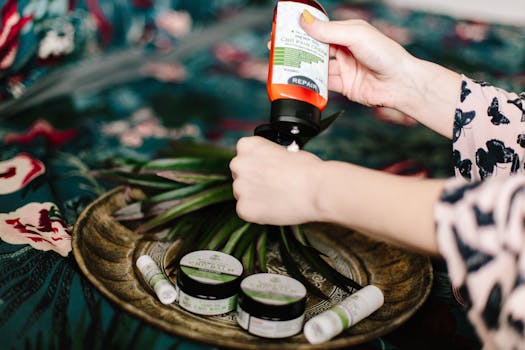
1. $1 Look for products specifying “broad-spectrum” or “full-spectrum” CBD, as these contain additional beneficial cannabinoids and terpenes. The most effective products typically contain at least 100-300 mg of CBD per ounce. 2. $1 Reputable brands provide certificates of analysis (COAs) from independent labs, verifying the CBD content and confirming the absence of contaminants like heavy metals and pesticides. 3. $1 Check for complementary ingredients that enhance CBD’s effects, such as aloe vera for soothing, vitamin E for added antioxidant protection, and squalane for hydration. 4. $1 Since CBD degrades when exposed to light and air, opt for products in opaque, air-tight containers. 5. $1 Choose brands with transparent sourcing, ethical practices, and positive customer reviews. In 2023, a survey found that 67% of CBD skincare users preferred brands with clear third-party testing and transparent ingredient lists.Addressing Safety, Side Effects, and Regulation
CBD is generally regarded as safe when used topically. Unlike ingestible products, topical CBD has minimal risk of entering the bloodstream and causing systemic effects. Reported side effects are rare and typically mild, such as localized irritation or allergic reactions, which can occur with any skincare ingredient.
It’s important to note that the CBD skincare industry is still lightly regulated in many regions. In the United States, the Food and Drug Administration (FDA) does not approve most CBD products, except for a few prescription medications. This can lead to inconsistencies in product quality and labeling.
Consumers should avoid products making exaggerated or unsubstantiated medical claims, such as “cures eczema” or “eliminates wrinkles overnight.” Always patch-test new products and consult a dermatologist if you have sensitive skin or a known skin condition.
Emerging Trends and Innovations in CBD Skincare
The CBD skincare market is expected to reach $3.48 billion globally by 2026, according to a report by Global Market Insights. As consumer interest grows, brands continue to innovate, leading to exciting new products and delivery systems.
1. $1 This technology breaks CBD molecules into nano-sized particles, increasing their absorption and effectiveness. Nano-emulsified CBD creams have shown improved penetration through the skin barrier in early clinical tests. 2. $1 Some brands now offer personalized CBD skincare blends tailored to individual skin types and concerns, using AI-driven skin analysis. 3. $1 These provide targeted relief for breakouts, irritation, or dry patches, delivering a high concentration of active ingredients exactly where needed. 4. $1 With sustainability top of mind, more brands are using organically grown hemp and eco-friendly packaging to appeal to environmentally conscious consumers. 5. $1 Formulations are increasingly combining CBD with other plant extracts—like chamomile, calendula, and green tea—to amplify soothing and healing benefits.Final Thoughts on the Potential of CBD in Skincare
CBD’s rise in skincare is more than a passing trend; it’s grounded in promising scientific research and real-world results. With its unique ability to calm inflammation, regulate oil production, and protect against environmental stressors, CBD offers a multi-faceted approach to skin health. While the industry is still evolving and more rigorous studies are needed, early evidence supports CBD’s potential as a powerhouse ingredient for those seeking gentler, more holistic skincare solutions.
As with any skincare regimen, success depends on choosing high-quality products, understanding your skin’s needs, and incorporating CBD as part of a broader routine that includes sun protection, hydration, and a healthy lifestyle. As research continues and regulations tighten, the future of CBD in skincare looks brighter than ever.