Hemp Products and Their Impact on Sleep: What Do Studies Say?
Quality sleep is a cornerstone of overall well-being, yet millions of adults struggle to get enough rest. According to the Centers for Disease Control and Prevention (CDC), about 35% of American adults report sleeping less than the recommended seven hours per night. This widespread issue has fueled a booming market for sleep aids, with many consumers turning to natural remedies like hemp-derived products. But what does science really say about hemp products and their impact on sleep?
This article explores the relationship between hemp-derived compounds—such as cannabidiol (CBD), cannabinol (CBN), and hemp seed oil—and sleep quality. We’ll examine the latest research, discuss how these products interact with the body, analyze their safety profiles, and compare their effectiveness to traditional sleep aids.
The Science Behind Hemp: Compounds and Sleep Mechanisms
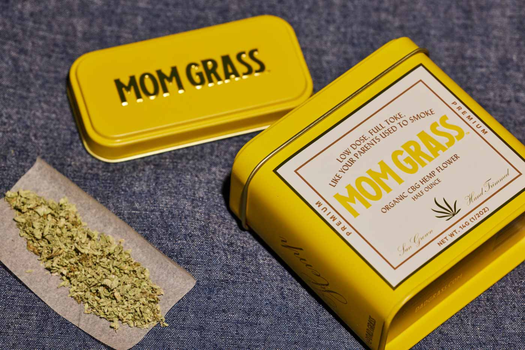
Hemp, a variety of the Cannabis sativa plant, contains over 100 different cannabinoids and dozens of other bioactive compounds. Unlike marijuana, hemp is low in tetrahydrocannabinol (THC), the psychoactive component. Instead, hemp products are rich in non-intoxicating cannabinoids, most notably CBD and, to a lesser extent, CBN.
Cannabidiol (CBD) has gained the most attention for its potential to support sleep. Researchers believe CBD may influence sleep through its interaction with the endocannabinoid system—a network of receptors and neurotransmitters involved in regulating sleep, mood, pain, and immune function. For example, a 2017 review in the journal Current Psychiatry Reports highlighted how CBD can modulate the body’s circadian rhythms and potentially reduce anxiety, a frequent cause of insomnia.
Cannabinol (CBN), another minor cannabinoid found in aged hemp, is being studied for its possible sedative effects. While research on CBN is far more limited than on CBD, preliminary studies suggest it might enhance sleep when combined with other cannabinoids and terpenes.
Hemp seed oil, extracted from the seeds rather than the flowering tops of the plant, contains no cannabinoids but is rich in healthy fats like omega-3 and omega-6 fatty acids. These nutrients may indirectly support sleep by promoting overall brain and nerve health, though the evidence here is less direct.
What Do Clinical Studies Reveal About Hemp and Sleep?
While the popularity of hemp-derived sleep aids has soared, robust clinical evidence remains in its early stages. Still, several peer-reviewed studies offer promising results:
- In a 2019 retrospective case series published in The Permanente Journal, 72 adults with anxiety or poor sleep were given CBD capsules. After just one month, 66.7% reported improved sleep, and 79.2% experienced lower anxiety levels. Notably, these improvements fluctuated over time, indicating the need for more long-term research. - A 2022 meta-analysis in Sleep Medicine Reviews examined 34 studies on cannabinoids and sleep. The results showed that CBD, particularly at doses between 25–150 mg/day, may improve sleep quality in people with chronic pain or anxiety, but evidence in healthy adults is less conclusive. - A small 2021 clinical study on CBN by the company Zelira Therapeutics suggested that a blend of CBN and CBD improved sleep quality and reduced sleep onset latency in adults with chronic insomnia. However, these findings have yet to be widely replicated.It’s important to note that most studies involve small sample sizes, short durations, and often combine CBD or CBN with other supplements, making it difficult to isolate the precise effects of hemp compounds on sleep.
Comparing Hemp Products With Traditional Sleep Aids
Consumers have a variety of options when seeking sleep support, from prescription medications to over-the-counter supplements and natural products. How do hemp-derived options compare to more established treatments?
Below is a comparison table highlighting key characteristics of hemp-derived sleep products versus common traditional sleep aids:
| Product Type | Common Ingredients | Mechanism of Action | Effectiveness | Side Effects | Dependency Risk |
|---|---|---|---|---|---|
| CBD Oil (Hemp) | Cannabidiol | Modulates endocannabinoid system, reduces anxiety | Moderate (esp. in anxiety-related sleep issues) | Mild (fatigue, diarrhea, appetite changes) | Low |
| CBN Oil (Hemp) | Cannabinol | Possible sedative, enhances with other cannabinoids | Preliminary evidence only | Mild (drowsiness) | Low |
| Melatonin | Melatonin | Regulates circadian rhythm | Strong for jet lag, shift work | Headache, dizziness | Low |
| Prescription Sleep Meds | Zolpidem, benzodiazepines | Suppresses CNS, induces sleep | Strong (short-term use) | Drowsiness, memory issues, dependence | Moderate to High |
As shown, hemp-derived sleep aids generally have a milder side effect profile and lower risk of dependence compared to prescription medications. However, their effectiveness may not be as pronounced, particularly for severe insomnia or sleep disorders.
Safety and Side Effects: What Should Consumers Know?
One of the primary reasons people are drawn to hemp products is the perception of safety and minimal side effects. Compared to many pharmaceutical sleep aids, CBD and CBN are well-tolerated in most users.
A 2020 review in Cannabis and Cannabinoid Research found that CBD is safe at doses up to 1,500 mg per day. Common side effects, when they occur, tend to be mild and include drowsiness, dry mouth, changes in appetite, and diarrhea. CBN’s safety profile is less established due to the lack of large clinical trials, but reported side effects are similarly mild and often limited to increased drowsiness.
There are, however, important considerations: - Hemp products can interact with certain medications, especially those processed by liver enzymes (like blood thinners or anti-seizure drugs). - Product quality varies widely. A 2022 FDA report found that nearly 25% of tested CBD products contained less CBD than advertised. - Pregnant or breastfeeding individuals and children should avoid hemp-derived sleep products due to insufficient safety data.Consumers should always consult with a healthcare provider before starting any new supplement, especially if they take prescription medications.
How to Choose and Use Hemp Products for Sleep
With the surge in hemp-based sleep aids, choosing the right product can feel overwhelming. Here are some expert tips for navigating the market:
1. $1 Reputable brands provide lab results confirming cannabinoid content and the absence of contaminants like heavy metals or pesticides. 2. $1 Look for products with clear labeling. Some sleep formulas combine CBD with CBN, melatonin, or herbal extracts such as valerian root or chamomile. 3. $1 Begin with a small dose (e.g., 10-20 mg CBD) and gradually increase as needed. Higher doses are not always more effective and may lead to unwanted drowsiness. 4. $1 Keep a sleep journal to track changes in sleep onset, duration, and quality. 5. $1 Oils and tinctures allow precise dosing and faster absorption, while gummies or capsules offer convenience.Notably, the FDA does not currently regulate CBD or CBN as sleep aids, so consumers must exercise due diligence.
The Future of Hemp and Sleep: Areas for Ongoing Research
While anecdotal reports of improved sleep with hemp products are abundant, the scientific community continues to seek definitive answers. Major areas for future research include:
- Large-scale, long-term clinical trials: Most existing studies are small and short-term. - Isolating effects of specific cannabinoids: Research needs to distinguish between CBD, CBN, and other compounds, as well as their combinations. - Impact on different types of sleep problems: For example, is hemp more effective for anxiety-induced insomnia versus chronic pain-related sleep disruption? - Personalized responses: Genetics, lifestyle, and underlying health conditions may influence how individuals respond to hemp-derived sleep products.As regulations evolve and more high-quality studies are published, we can expect a clearer understanding of hemp’s place in sleep health.
Final Thoughts: What Do Studies Say About Hemp and Sleep?
The relationship between hemp products and sleep is complex but promising. While clinical evidence is still catching up to consumer enthusiasm, early studies suggest that CBD—and to a lesser extent, CBN—may help improve sleep quality, especially for those with anxiety or chronic pain. Hemp seed oil offers nutritional benefits that may support overall wellness but lacks direct evidence as a sleep aid.
Compared to traditional sleep medications, hemp-derived products generally offer a safer profile with fewer side effects and little risk of dependence. However, their effectiveness varies, and more research is needed to guide specific recommendations.
If you’re considering hemp products for sleep, consult with a healthcare provider and choose reputable brands with transparent labeling. As science advances, we’ll better understand how these ancient plants can contribute to a more restful night’s sleep.