Hemp oil is increasingly finding its way into kitchens around the world, celebrated for its nutty flavor and impressive nutritional profile. Packed with omega-3 and omega-6 fatty acids, vitamins, and minerals, hemp oil is often touted as a superfood ingredient. But as more home cooks and food enthusiasts experiment with hemp oil, common mistakes can undermine both its health benefits and the taste of your dishes. Whether you’re a culinary explorer or just curious about incorporating hemp oil into your daily meals, understanding what not to do is just as important as learning the right way to use it.
Let’s explore the most frequent pitfalls people encounter when cooking with hemp oil—and how you can avoid them for the best culinary results.
Understanding Hemp Oil: Unique Properties and Benefits
Before diving into common mistakes, it’s essential to understand what sets hemp oil apart. Unlike hemp seed oil’s cousin, CBD oil, pure hemp seed oil contains no psychoactive compounds. It’s cold-pressed from hemp seeds and is valued for its delicate, nutty flavor and impressive nutritional content.
Here are a few key facts: - Hemp oil typically contains a perfect 3:1 ratio of omega-6 to omega-3 fatty acids, which supports heart health. - Just one tablespoon provides about 125 calories, 14 grams of fat, and 2 grams of protein. - It’s rich in antioxidants like vitamin E.These properties make hemp oil a great addition to salads, smoothies, and cold dishes. However, its unique composition also means it requires special handling—especially in the kitchen.
Overheating: The Biggest Culprit in Hemp Oil Misuse
The most frequent—and potentially damaging—mistake with hemp oil is subjecting it to high heat. Unlike olive or canola oil, hemp oil has a low smoke point of around 330°F (165°C). When heated beyond this temperature, the oil not only loses its delicate flavor but also its nutritional benefits. Worse, overheating can result in the formation of harmful compounds and a bitter aftertaste.
For perspective, here’s how hemp oil compares to other popular cooking oils in terms of smoke point:
| Oil Type | Smoke Point (°F) | Best Uses |
|---|---|---|
| Hemp Oil | 330 | Salad dressings, drizzling, dips |
| Olive Oil (extra virgin) | 375 | Light sautéing, dressings |
| Coconut Oil | 350 | Baking, medium-heat sautéing |
| Canola Oil | 400 | Frying, baking, roasting |
| Avocado Oil | 520 | High-heat roasting, frying |
Because of its low smoke point, hemp oil should never be used for frying or high-heat cooking. Instead, add it to dishes after cooking or use it in recipes that require no heat at all.
Storing Hemp Oil Improperly: The Freshness Factor
Another common oversight is improper storage. Hemp oil is highly sensitive to light, heat, and air. When exposed to these elements, it can quickly go rancid, losing both its health benefits and its pleasant nutty aroma.
Key facts about hemp oil storage: - Unopened bottles can last up to 12 months if kept in a cool, dark place. - Once opened, hemp oil should be refrigerated and used within 3-6 months. - Always look for “cold-pressed” and “unrefined” on the label, as these oils are less processed but more perishable. To maintain freshness: - Store hemp oil in a dark glass bottle, tightly sealed. - Keep it away from the stove, windows, and direct sunlight. - Always refrigerate after opening.If your hemp oil smells fishy or sour, it’s likely rancid and should be discarded. Using rancid oil not only imparts a bad flavor but may also introduce harmful compounds into your meal.
Using Too Much Hemp Oil: Balancing Flavor and Health
Hemp oil’s strong, earthy flavor can elevate dishes—but only if used in moderation. One of the most common mistakes is overpouring, which can make foods taste overwhelmingly grassy or bitter. Additionally, hemp oil is calorie-dense, so using too much can add unexpected calories to your meal.
For best results: - Use 1-2 teaspoons per serving in dressings or drizzles. - Blend with milder oils, like extra virgin olive oil, to mellow the flavor for sensitive palates. - Taste as you go, especially when experimenting with new recipes.Here’s an example: In a salad dressing for four people, 2 tablespoons of hemp oil combined with 2 tablespoons of olive oil strikes a pleasant balance between flavor and health benefits, without overpowering the dish.
Choosing the Wrong Dishes: Maximizing Hemp Oil’s Potential
Hemp oil shines in certain culinary roles, but it’s not a universal substitute for other oils. Using it indiscriminately, especially in dishes that require high-heat cooking or where the flavor profile clashes, is a frequent blunder.
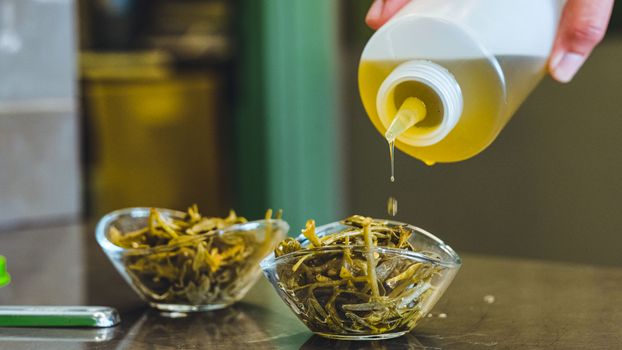
Ideal uses for hemp oil: - Salad dressings (vinaigrettes, creamy dressings) - Drizzling over cooked vegetables, grains, or pasta - Adding to smoothies for a nutrition boost - Stirring into dips like hummus or pesto - Swirling into soups just before serving Avoid using hemp oil in: - Stir-fries, deep-frying, or grilling - Baking at high temperatures (unless added after baking) - Dishes where a neutral oil is requiredExperiment with recipes specifically designed for hemp oil, or start with simple applications like homemade vinaigrettes, where its nutty notes can really shine.
Misunderstanding Hemp Oil’s Health Claims
Hemp oil is packed with nutrients, but some users mistakenly believe it to be a cure-all or a source of cannabinoids like CBD. In reality, hemp seed oil does not contain significant levels of CBD or THC—the compounds found in other cannabis-derived products.
Facts to keep in mind: - Hemp oil is not psychoactive and will not cause a “high.” - Its primary health benefit is its omega-3 and omega-6 content, which support cardiovascular and skin health. - It contains no cholesterol and is suitable for vegan and vegetarian diets.To avoid disappointment, use hemp oil as a nutrient-dense food ingredient, not a medicinal product or supplement. Always consult a healthcare professional for medical advice regarding your diet.
Final Tips for Successful Cooking with Hemp Oil
Mastering hemp oil in your kitchen is all about respecting its unique properties. By avoiding high heat, storing it properly, using it in moderation, and pairing it with suitable dishes, you can unlock its full potential for both flavor and nutrition. Remember to check labels for freshness, and only buy as much as you’ll use in a few months.
With these tips in mind, hemp oil can become a valuable part of your culinary repertoire—one that supports both your taste buds and your health.