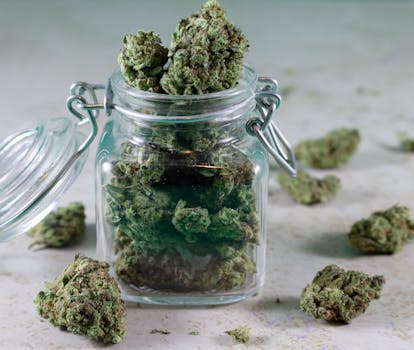
THC, or delta-9-tetrahydrocannabinol, is the primary psychoactive component found in cannabis. As cannabis legalization spreads and more people experiment with THC for recreational or medicinal purposes, it’s increasingly important to understand not just the potential benefits, but also the possible adverse effects. Side effects can range from mild and temporary to more serious or chronic complications, depending on dose, frequency, and individual susceptibility. This article dives deep into the potential side effects of THC consumption, providing factual insights, statistics, and practical comparisons to help readers make informed decisions.
Understanding THC: How It Interacts With the Body
THC exerts its effects by binding to cannabinoid receptors in the brain and throughout the central nervous system. These receptors form part of the endocannabinoid system, which helps regulate mood, appetite, pain sensation, and memory. When THC attaches to these receptors, it can alter normal brain communication and trigger a range of physical and psychological responses.
A 2022 National Institutes of Health (NIH) survey found that approximately 18% of Americans aged 12 or older had used cannabis in the past year. As usage rises, so does the occurrence of reported side effects. While many people tolerate THC well, for others it can cause unwanted or even harmful reactions.
Short-Term Side Effects of THC Consumption
Short-term side effects typically occur within minutes to a few hours after consuming THC, whether smoked, vaporized, or ingested. The intensity and duration depend on the method of consumption, dosage, and individual tolerance.
Common short-term side effects include:
- Impaired memory and concentration: Studies show that THC can disrupt the hippocampus, reducing the ability to form new memories. A 2020 study in JAMA Psychiatry reported a 15-30% drop in working memory performance after acute THC exposure. - Altered perception and coordination: THC can distort sensory perception, time awareness, and impair fine motor skills. This is a significant reason why driving under the influence of cannabis is illegal in most jurisdictions. - Anxiety and paranoia: Up to 20-30% of occasional users report feeling anxious, suspicious, or paranoid after consuming high doses of THC. - Increased heart rate: THC can raise heart rate by 20-50 beats per minute, lasting up to 3 hours. This effect is especially concerning for individuals with pre-existing heart conditions. - Dry mouth and red eyes: THC suppresses saliva production and dilates blood vessels in the eyes, leading to the classic “red eye” effect.In most cases, these symptoms are temporary and subside as THC is metabolized. However, the risk of experiencing strong side effects increases with higher doses and lack of cannabis experience.
Long-Term Risks and Chronic Side Effects of THC
Long-term or frequent THC use can lead to persistent or chronic side effects, especially in vulnerable populations such as adolescents or those with mental health issues.
- Cognitive impairment: Chronic, heavy THC use in adolescence has been linked to lasting reductions in attention, memory, and learning capacity. According to a 2016 meta-analysis in the journal Addiction, adolescent cannabis users scored an average of 5.8 IQ points lower in adulthood compared to non-users. - Cannabis Use Disorder (CUD): About 9-10% of all cannabis users, and up to 17% of those who start in adolescence, develop CUD—a condition marked by cravings, tolerance, and withdrawal symptoms. - Mood disorders: Long-term THC exposure may increase the risk of depression, anxiety, and in rare cases, psychosis, particularly in individuals with a family or personal history of mental illness. - Respiratory issues: Smoking cannabis regularly can irritate airways and increase the risk of chronic bronchitis, coughing, and phlegm production.These risks highlight the importance of moderation and awareness, especially for those with additional risk factors.
Physical vs. Psychological Side Effects: A Comparative Overview
The side effects of THC can be broadly categorized as physical or psychological. While some users may experience only mild physical symptoms, others may face more profound changes in mood or cognition. The table below summarizes the differences in onset, duration, and prevalence.
| Type of Side Effect | Examples | Typical Onset | Average Duration | Reported Prevalence$1Based on self-reported data from NIH and WHO studies (2019-2022).
This comparison emphasizes that while most users will encounter some physical side effects, a significant minority also experience psychological symptoms, sometimes severe enough to warrant medical attention. Factors Influencing the Severity and Likelihood of Side EffectsNot everyone responds to THC in the same way. Several variables can influence both the likelihood and intensity of side effects: - $1 Higher doses and cannabis strains with elevated THC concentrations (some exceeding 25%) are more likely to induce adverse reactions. - $1 Smoking and vaping produce effects faster, but edibles can lead to stronger, longer-lasting side effects due to delayed absorption and unpredictable dosing. - $1 Genetics, overall health, age, and sex all play a role. For example, women tend to metabolize THC differently and may be more sensitive to certain effects. - $1 Regular users develop tolerance, reducing some acute effects but potentially increasing the risk of dependence and withdrawal. - $1 Combining THC with alcohol or other drugs amplifies side effects and risks.A 2021 Canadian survey found that 35% of users who consumed high-potency cannabis reported at least one negative psychological side effect, compared to just 19% of those using lower-potency products. Rare and Serious Side Effects: What to Watch ForAlthough rare, some side effects of THC can be serious and require prompt medical attention: - Psychosis: Acute psychosis—hallucinations, delusions, or severe disorientation—can occur, particularly in those with a personal or family history of mental illness. The risk is highest among adolescents and users of high-potency products. - Cannabinoid Hyperemesis Syndrome (CHS): Characterized by repeated, severe vomiting and abdominal pain, CHS is a rare condition seen in chronic cannabis users. A 2018 study estimated that CHS affects roughly 6% of regular users. - Cardiovascular events: Although uncommon, there are case reports of heart attacks and arrhythmias shortly after THC use, especially in older adults or those with underlying heart disease.Recognizing these rare but severe side effects is vital, especially as cannabis products become more widely available and potent. Reducing the Risk: Safe THC Consumption PracticesFor those who choose to use THC, there are several strategies to minimize potential side effects: - Start low and go slow: Begin with the lowest possible dose, especially with edibles, and wait at least 2 hours before increasing. - Avoid mixing with alcohol or other substances: This reduces the chance of unpredictable or amplified side effects. - Know your source: Use products from reputable dispensaries that test for potency and contaminants. - Don't drive or operate heavy machinery: Wait until you are sure the effects have worn off before engaging in risky activities. - Monitor mental health: If you notice increasing anxiety, paranoia, or mood swings, consider reducing your use or seeking help.Awareness and moderation are key to minimizing risk while maximizing potential benefits. Weighing the Risks and Making Informed Choices About THCTHC offers a range of effects, some desirable and others potentially harmful. Understanding the possible side effects—both short- and long-term—empowers individuals to make informed, responsible decisions about cannabis use. While most side effects are mild and temporary, there are significant risks for certain populations and in cases of chronic or high-dose use. Public awareness has grown alongside legalization, but ongoing research continues to reveal new insights into THC’s impact on the body and mind. Whether for recreational or medicinal reasons, it’s crucial to balance the potential rewards of THC with a realistic understanding of its risks. FAQ Can you develop a tolerance to THC side effects? Yes, regular users often develop tolerance to some effects like euphoria and impaired coordination, but may still experience others, including cognitive impairment or anxiety. Are edibles more likely to cause side effects than smoking? Edibles often lead to stronger and longer-lasting effects because THC is metabolized differently when ingested. This can increase the risk of intense or prolonged side effects, especially for inexperienced users. How long do THC side effects typically last? Most short-term side effects last 1-4 hours when smoked or vaped, but can last up to 8 hours or more with edibles. Long-term effects may persist with chronic use. Can someone be allergic to THC or cannabis? While rare, some individuals can develop allergic reactions to cannabis, including skin rashes, respiratory symptoms, or anaphylaxis. Most side effects, however, are due to THC’s direct action rather than allergy. What should I do if I experience severe side effects from THC? If you or someone else experiences severe confusion, chest pain, hallucinations, or uncontrollable vomiting after using THC, seek medical help immediately. Most symptoms can be managed with supportive care, but prompt evaluation is important. More from the archiveView full article archive →
ultimateganjastore.com
Beginner's Guide to Cooking with Cannabis: Easy, Safe Recipes
ultimateganjastore.com
Cannabis Cuisine: Elevating Flavor & Texture in Modern Cooking
ultimateganjastore.com
Discover the Rich Tradition of Hemp Oil in Czech Cuisine: A Culinary Guide
ultimateganjastore.com
Mastering Hemp Oil in Cooking: Quality Selection and Usage Guide
ultimateganjastore.com
Hemp Seeds in Baking: Nutritional Benefits & Delicious Recipes
ultimateganjastore.com
Hemp Seeds for Athletes: Boosting Energy & Endurance Naturally
ultimateganjastore.com
Supercharge Your Health: Ultimate Guide to Making Hemp Smoothies
ultimateganjastore.com
Hemp for Health: Can It Revolutionize Your Digestive Wellness? |
|---|