Cooking with cannabis has gained significant popularity as more people discover its unique flavors, therapeutic properties, and creative culinary potential. Whether you’re a home cook or an adventurous foodie, integrating cannabis into your kitchen opens up an exciting new world of possibilities. But how do you go beyond the classic brownie and truly harness the versatility of cannabis in your cooking? This comprehensive guide offers original tips and practical tricks to help you infuse cannabis into a variety of dishes safely, effectively, and deliciously.
The Essentials: Understanding Cannabis as an Ingredient
Before you start cooking, it’s crucial to understand how cannabis interacts with food, as well as what makes it different from traditional herbs. Unlike common culinary herbs, cannabis contains cannabinoids like THC (tetrahydrocannabinol) and CBD (cannabidiol), which are responsible for its psychoactive and therapeutic effects. For these compounds to become active in your body, they must undergo a process called decarboxylation—essentially, heating the cannabis to unlock its full potential.
Decarboxylation typically occurs at temperatures between 104°C and 116°C (220°F to 240°F) and takes about 30-45 minutes. Skipping this step can result in weak or inactive edibles, so always decarb your cannabis before using it in recipes.
Key Facts: - Raw cannabis contains THCA and CBDA, which are not psychoactive until heated. - The optimal decarboxylation range is 220°F–240°F for 30–45 minutes. - Decarbing boosts potency and ensures consistent effects in edibles.Infusing Cannabis: Oils, Butters, and Beyond
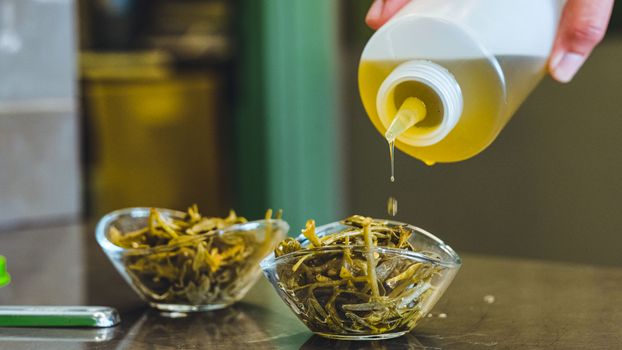
The most common way to cook with cannabis is by infusing it into a fat, such as butter or oil. Cannabinoids are fat-soluble, so they bind best with lipids, allowing for even distribution throughout your dish. While classic cannabutter is well-known, there are many other infusion options you can try to suit different dietary needs and cuisines.
Popular Infusion Methods: - Olive oil: Ideal for Mediterranean and salad dishes. - Coconut oil: Great for vegan, dairy-free, or Asian-inspired recipes. - Ghee: Clarified butter with a high smoke point, perfect for Indian cuisine. - Avocado oil: Mild flavor, high in healthy fats, suitable for dressings and sautés.For a basic infusion, gently heat your decarboxylated cannabis with your chosen fat for 2–3 hours (preferably using a slow cooker or double boiler to avoid burning). Strain out the plant material and store your infused oil or butter in an airtight container in the refrigerator.
Original Tips: Elevating Cannabis Cuisine with Flavor Pairings
Cannabis isn’t just about cannabinoids—it’s also an aromatic herb with a complex flavor profile, thanks to compounds called terpenes. Terpenes contribute citrusy, earthy, floral, or spicy notes and can be preserved or even enhanced with the right cooking techniques. Here are some original tips to maximize cannabis’s culinary appeal:
1. Match Strains to Dishes: - Lemon Haze or Super Lemon Haze pairs beautifully with seafood, vinaigrettes, or desserts due to their citrus-forward terpenes (limonene). - OG Kush, rich in earthy and piney notes, is great with roasted meats, root vegetables, or mushroom dishes. 2. Low and Slow Cooking: - High heat can destroy both cannabinoids and terpenes, reducing potency and flavor. Use gentle heat for infusions and avoid frying or broiling cannabis-infused fats. 3. Layer Flavors: - Add a pinch of uninfused cannabis as a finishing herb (like parsley) for a subtle, fresh aroma. This works especially well with hemp or CBD-rich strains. 4. Balance Bitterness: - Cannabis can have a naturally bitter, grassy taste. Counteract this with ingredients like honey, citrus, or rich dairy (cream, cheese). 5. Use Cannabis Salt or Sugar: - Create a cannabis-infused salt or sugar for seasoning or baking. This allows for more precise dosing and a unique way to finish dishes.Microdosing and Dosage Control for Safe Enjoyment
One of the biggest challenges in cannabis cooking is controlling dosage. Overconsumption can lead to unpleasant effects, especially for beginners. Microdosing—using small, controlled amounts of cannabis—allows you to enjoy the culinary and therapeutic benefits without overwhelming psychoactive effects.
How to Calculate Dosage: - Start by knowing the THC/CBD content of your cannabis (typically listed as a percentage, e.g., 15% THC). - 1 gram of cannabis at 15% THC contains approximately 150 mg THC. - If you use 1 gram in an infusion that makes 12 servings, each serving will contain about 12.5 mg THC.Table: Cannabis Dosage Reference
| Cannabis Amount | THC % | Total THC (mg) | Servings | Per Serving (mg THC) |
|---|---|---|---|---|
| 1 gram | 10% | 100 mg | 10 | 10 mg |
| 1 gram | 20% | 200 mg | 20 | 10 mg |
| 0.5 gram | 15% | 75 mg | 15 | 5 mg |
Beyond Sweets: Savory Cannabis Dishes and Drinks
While cannabis brownies and cookies are classic, the culinary world of cannabis is much broader. Infused oils and butters can be used in an array of savory dishes, offering new flavors and experiences.
Savory Cannabis Recipe Ideas: - Cannabis-Infused Pesto: Blend basil, pine nuts, parmesan, garlic, and cannabis-infused olive oil. - Herb-Infused Roasted Vegetables: Toss seasonal veggies in cannabis ghee and roast until caramelized. - Salad Dressings: Whisk cannabis-infused oil with vinegar, mustard, and herbs for a zesty salad enhancer. - Risotto or Pasta: Stir in cannabis butter just before serving for a creamy, herbal finish.Drinks: Cannabis can also be incorporated into beverages, from mocktails to teas. For example, cannabis honey or infused simple syrup works well in herbal teas or lemonade. Some bartenders are experimenting with cannabis tinctures as a cocktail flavoring, though these are only suitable where legal.
Cannabis Cooking for Special Diets: Vegan, Gluten-Free, and Sugar-Free Options
Cannabis-infused cooking is versatile enough to accommodate nearly any dietary preference. For vegans, coconut oil or avocado oil makes an excellent base for infusions. Gluten-free bakers can use cannabis-infused oils in recipes for brownies, muffins, or even bread made with almond or coconut flour.
Tips for Special Diets: - Use coconut oil for vegan, dairy-free, and paleo recipes. - Try agave or stevia for sugar-free cannabis infusions. - Make gluten-free granola bars or energy bites with cannabis oil, oats, seeds, and dried fruit.With careful choice of ingredients, you can adapt nearly any recipe to include cannabis without sacrificing your dietary needs or flavor.
Final Thoughts on Using Cannabis in Cooking
Exploring cannabis in cooking is a rewarding journey that blends culinary creativity with mindful consumption. By understanding the science of decarboxylation, mastering infusion techniques, and embracing original flavor pairings, you can elevate your cannabis cuisine far beyond the basics. Always prioritize safety, experiment with new recipes, and savor the unique flavors that cannabis brings to your kitchen. With these tips and tricks, you’ll be well on your way to becoming a cannabis cooking connoisseur.