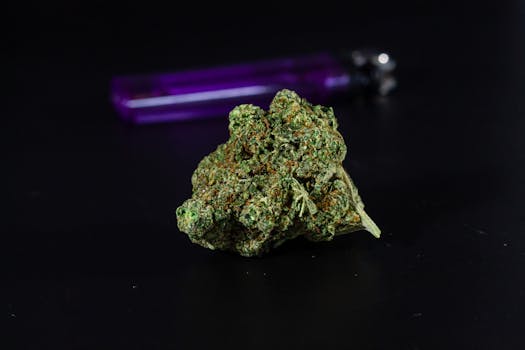
The Role of THC in Medical Treatment: Science, Benefits, and Ongoing Challenges
Cannabis has been used for medicinal purposes for thousands of years, but it is only in the last few decades that scientists have begun to unravel the complex role its compounds play in the human body. Among these compounds, delta-9-tetrahydrocannabinol—better known as THC—stands out as both controversial and promising. THC is the primary psychoactive ingredient in cannabis, responsible for the “high” but also for a growing list of potential medical benefits. As medical cannabis laws expand globally, understanding THC’s role in treatment is more important than ever. This article explores the science behind THC, its therapeutic applications, risks, and how it compares to other cannabinoids, all grounded in the latest research.
The Science Behind THC: How It Works in the Body
THC interacts with the body’s endocannabinoid system (ECS), a network of receptors and neurotransmitters that help regulate mood, pain, appetite, and memory. When THC enters the bloodstream, it binds primarily to CB1 receptors found in the brain and central nervous system. This binding triggers the release of dopamine and affects how neurons communicate, leading to both the psychoactive effects and the therapeutic properties attributed to THC.
Recent studies have shed light on the ECS’s pivotal role in maintaining bodily balance, or homeostasis. A 2020 review published in Frontiers in Pharmacology highlighted that the ECS modulates immune response, inflammation, and neuroprotection, suggesting that THC’s interactions with this system have far-reaching implications for medical treatment. Importantly, THC’s effects can vary depending on individual genetics, tolerance, and method of consumption.
Medical Conditions Treated With THC
Although the full potential of THC is still being explored, several medical conditions have robust evidence supporting the use of THC-based therapies.
1. Chronic Pain: According to a 2017 report by the National Academies of Sciences, Engineering, and Medicine, there is substantial evidence that cannabis is effective for the treatment of chronic pain in adults. Over 50 million Americans suffer from chronic pain, and THC may offer relief where conventional medications fall short, especially in cases of neuropathic pain. 2. Nausea and Vomiting: THC is a well-established treatment for chemotherapy-induced nausea and vomiting (CINV). The FDA has approved synthetic THC medications, such as dronabinol (Marinol) and nabilone (Cesamet), specifically for this purpose. Clinical trials have shown that these medications can reduce nausea in up to 70% of patients undergoing chemotherapy. 3. Appetite Stimulation: THC is also prescribed to boost appetite in patients with HIV/AIDS and cancer, helping to combat wasting syndrome. Studies indicate that THC can increase caloric intake by an average of 1,000 calories per day in these populations. 4. Multiple Sclerosis (MS): Research published in The Lancet Neurology found that THC-based oral sprays, like Sativex, can reduce muscle spasticity in MS patients by approximately 30%.While these are the most widely recognized medical uses, ongoing research is investigating THC’s potential in treating conditions such as PTSD, glaucoma, and certain neurodegenerative diseases.
Comparing THC With Other Cannabinoids: What Sets It Apart?
Cannabis contains over 100 cannabinoids, each with unique effects and medical applications. THC and cannabidiol (CBD) are the most studied, but their roles in therapy are distinct. The table below highlights key differences:
| Aspect | THC | CBD |
|---|---|---|
| Psychoactive Effects | Yes (intoxicating) | No (non-intoxicating) |
| Primary Medical Uses | Pain, nausea, appetite stimulation, spasticity | Anxiety, epilepsy, inflammation |
| FDA-Approved Medications | Dronabinol, Nabilone, Sativex (with CBD) | Epidiolex (for epilepsy) |
| Known Side Effects | Anxiety, dry mouth, increased heart rate, impaired memory | Fatigue, diarrhea, changes in appetite |
| Legal Status (US) | Varies by state, federally illegal | Federally legal (from hemp,
More from the archiveView full article archive →
ultimateganjastore.com
Beginner's Guide to Cooking with Cannabis: Easy, Safe Recipes
ultimateganjastore.com
Cannabis Cuisine: Elevating Flavor & Texture in Modern Cooking
ultimateganjastore.com
Discover the Rich Tradition of Hemp Oil in Czech Cuisine: A Culinary Guide
ultimateganjastore.com
Mastering Hemp Oil in Cooking: Quality Selection and Usage Guide
ultimateganjastore.com
Hemp Seeds in Baking: Nutritional Benefits & Delicious Recipes
ultimateganjastore.com
Hemp Seeds for Athletes: Boosting Energy & Endurance Naturally
ultimateganjastore.com
Supercharge Your Health: Ultimate Guide to Making Hemp Smoothies
ultimateganjastore.com
Hemp for Health: Can It Revolutionize Your Digestive Wellness? |