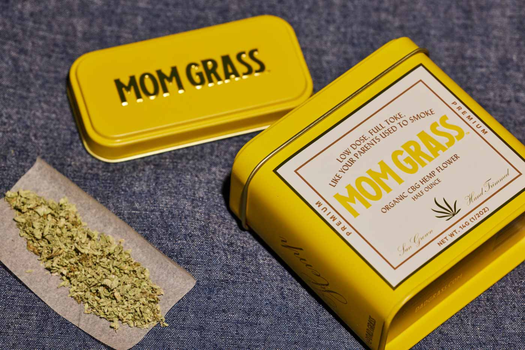
Cannabis has gained significant attention in recent years for its potential to influence sleep, with millions of adults worldwide turning to different cannabis products in hopes of improving their nighttime rest. But how does cannabis really affect sleep, according to science? Are all cannabis compounds created equal when it comes to improving or disrupting your slumber? This article dives deep into the scientific studies behind cannabis and sleep, explores the mechanisms at play, and offers evidence-based recommendations for those considering cannabis as a sleep aid.
The Science of Sleep: Understanding What Happens When We Rest
Before examining cannabis’s effects, it’s important to understand the basics of sleep. Sleep is a complex biological process made up of several stages, including rapid eye movement (REM) sleep and non-REM sleep. Each night, a healthy adult cycles through these stages multiple times:
- Non-REM Stage 1: Light sleep, where you drift in and out and can be awakened easily. - Non-REM Stage 2: Onset of true sleep, characterized by slower brain waves. - Non-REM Stage 3: Deep sleep crucial for physical restoration and immune function. - REM Sleep: The stage where most dreaming occurs, vital for memory consolidation and mood regulation.According to the Centers for Disease Control and Prevention (CDC), about 35% of U.S. adults report getting less than the recommended seven hours of sleep per night, leading to increased risks of chronic conditions like obesity, heart disease, and depression. Given these statistics, it’s no surprise that interest in natural sleep aids—including cannabis—has soared.
How Cannabis Interacts with the Body: The Endocannabinoid System and Sleep
Cannabis contains over 100 cannabinoids, with tetrahydrocannabinol (THC) and cannabidiol (CBD) being the most well-studied. These compounds interact with the body’s endocannabinoid system (ECS), a network of receptors (CB1 and CB2) that regulate various processes, including mood, appetite, pain, and sleep.
- THC is the primary psychoactive component in cannabis, known for its “high.” - CBD is non-intoxicating and often lauded for its calming and anti-anxiety effects.Research shows that the ECS plays a key role in maintaining sleep-wake cycles. The CB1 receptor, in particular, is abundant in brain regions that control sleep. When cannabinoids from cannabis bind to these receptors, they can influence how quickly you fall asleep, how long you stay asleep, and the quality of your rest.
A 2017 review published in Current Psychiatry Reports found that cannabinoids can alter sleep architecture, sometimes increasing total sleep time and reducing the time it takes to fall asleep. However, the effects can vary greatly depending on the type of cannabinoid, dose, and frequency of use.
THC vs. CBD: Comparing Their Effects on Sleep
The impact of cannabis on sleep largely depends on its primary components. Let’s compare the two most common cannabinoids:
| Compound | Effects on Sleep | Side Effects | Scientific Evidence |
|---|---|---|---|
| THC | Reduces time to fall asleep, may increase deep sleep, suppresses REM sleep | Daytime drowsiness, tolerance, withdrawal insomnia | 2019 meta-analysis: 8 of 9 studies found THC shortened sleep latency |
| CBD | Low doses may promote wakefulness, higher doses may promote sleep | Dry mouth, changes in appetite, rare liver effects | 2019 study: 67% of participants reported improved sleep after one month |
THC has demonstrated efficacy in hastening sleep onset and increasing deep sleep (slow-wave sleep), which is vital for physical recovery. However, THC is also associated with a reduction in REM sleep. This could mean fewer dreams, which some users appreciate, especially those suffering from nightmares or PTSD. On the other hand, long-term or heavy use of THC can lead to tolerance, dependence, and withdrawal-related insomnia.
CBD’s effects are more nuanced. At lower doses (less than 15 mg), CBD may actually make users feel more alert, while higher doses (25–160 mg) have been linked to improved sleep in clinical studies. A notable 2019 study published in The Permanente Journal found that 67% of participants experienced better sleep within the first month of CBD use, although the effect fluctuated over time.
What the Latest Scientific Studies Reveal About Cannabis and Sleep
Over the past decade, dozens of peer-reviewed studies have investigated cannabis’s impact on sleep, often with mixed results. Here’s a summary of some of the most influential findings:
- A 2017 review in Sleep Medicine Reviews analyzed 39 studies and concluded that while THC and CBD may be effective for short-term sleep improvement, long-term use can disrupt sleep patterns and lead to dependence. - A 2021 study in the journal Sleep found that medical cannabis users reported falling asleep 15 minutes faster on average compared to non-users, but also reported more sleep disturbances when not using cannabis. - In 2022, a survey of 1,000 U.S. adults by the Sleep Foundation revealed that 22% had tried cannabis for sleep, with 70% of those reporting some improvement in sleep quality.It’s important to note that many studies rely on self-reported data, which can be subjective. Furthermore, cannabis products vary widely in composition and potency, complicating the interpretation of results.
Potential Risks: Cannabis, Sleep Quality, and Dependence
While cannabis may help some people fall asleep faster or enjoy deeper sleep, it’s not without risks. Here are some of the most common concerns:
1. $1 Chronic THC use has been shown to suppress REM sleep. While this can benefit individuals with PTSD or frequent nightmares, REM is essential for cognitive function and emotional health. Persistent REM reduction may have long-term drawbacks. 2. $1 Regular users can develop tolerance, meaning they need higher doses for the same effect. Abrupt discontinuation often leads to rebound insomnia, vivid dreams, and mood disturbances. A 2015 study in Addiction Biology found that 76% of daily cannabis users reported sleep problems during withdrawal. 3. $1 Overuse or high-THC strains can cause next-day grogginess, reduced alertness, and impaired cognitive performance. 4. $1 Cannabis can interact with sleep medications, antidepressants, and blood thinners, potentially increasing side effects or reducing effectiveness.For those considering cannabis as a sleep aid, it’s crucial to weigh these risks against potential benefits, especially in the context of chronic use.
Evidence-Based Recommendations for Better Sleep with Cannabis
If you’re thinking of using cannabis for sleep, consider these recommendations based on current evidence:
1. $1 Begin with a low dose, especially if you’re new to cannabis. For example, start with 2.5–5 mg of THC or 10–25 mg of CBD. 2. $1 Opt for products labeled as “indica” or those with a balanced THC:CBD ratio, as some users report these to be more sedating. However, scientific evidence on indica vs. sativa is limited. 3. $1 Take cannabis 30–60 minutes before bedtime. Edibles may take longer to kick in (up to two hours), while tinctures and vapes act faster. 4. $1 Avoid nightly use to minimize the risk of tolerance and dependence. Consider using cannabis intermittently or as a temporary solution for acute sleep disruptions. 5. $1 Keep a sleep diary to track how cannabis affects your sleep quality, duration, and next-day functioning. Adjust your dosage and product type as needed, and consult a healthcare provider if problems persist.Looking Ahead: The Future of Cannabis and Sleep Research
Cannabis is still a relatively new and evolving field of study, especially regarding its role as a sleep aid. While early research is promising for certain populations—such as those with chronic pain, PTSD, or insomnia—large-scale, controlled studies are needed to clarify optimal dosages, formulations, and long-term effects.
With the global legal cannabis market expected to surpass $57 billion by 2027, according to Grand View Research, more funding and interest will likely accelerate discoveries in this area. Until then, individuals considering cannabis for sleep should approach its use thoughtfully, combining it with other proven sleep hygiene practices such as maintaining a consistent bedtime, limiting screen time before bed, and avoiding caffeine late in the day.